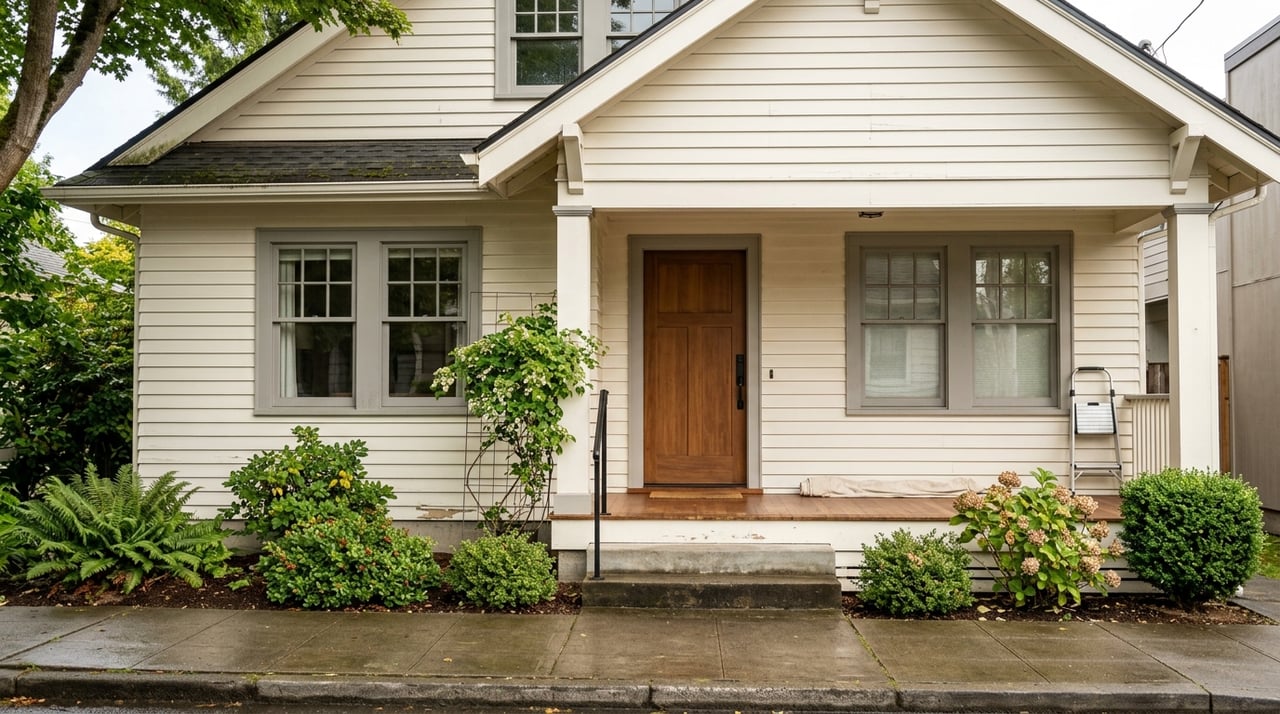
Thinking about buying a fixer-upper in Ballard? It can be a smart way to get into one of Seattle’s most established neighborhoods, but older homes here often come with more than dated finishes. You may be looking at older systems, multiple permit types, possible historic review, and repair items that need attention before you even close. This guide will help you plan the renovation side of the purchase so you can move forward with more clarity and fewer surprises. Let’s dive in.
Why Ballard fixer-uppers need planning
Ballard has deep historic roots, and that history still shows up in the housing stock today. According to Seattle’s Ballard planning materials, the area includes older homes and long-established street patterns, especially near historic parts of the neighborhood.
For you as a buyer, that often means a fixer-upper is not just about paint, flooring, and cosmetic updates. It can also mean older wiring, aging mechanical systems, structural questions, and a higher chance that your project will involve permits and more specialized review.
If you are considering a property in the Ballard Avenue Landmark District, exterior changes may require a Certificate of Approval before work begins. That applies to visible exterior changes such as remodeling, demolition, new construction, signs, awnings, and even exterior paint changes in the district.
Start with pre-purchase due diligence
Before you fall in love with the design potential, focus on the items that can affect your budget and timeline the most. In Ballard, that means confirming whether the home is in a historic district, completing your inspections during contingencies, and narrowing your renovation scope before you commit to final contractor agreements.
A standard home inspection is important, but it should not be your only checkpoint. Older homes can have hidden issues that do not show up in a quick walk-through, especially when moisture, sewer lines, or older materials are involved.
Check the side sewer early
One of the most important steps for a Ballard fixer-upper is a side sewer inspection. Seattle Public Utilities says homeowners are responsible for their side sewer up to the public main, and some properties share a side sewer with neighbors.
SPU specifically recommends having the side sewer inspected before purchase. That matters because sewer repairs can be costly, and if the line is shared, costs and coordination may involve neighboring properties too.
Confirm historic district status
Historic review can affect your renovation plan before any contractor starts work. If the property is in the Ballard Avenue Landmark District, the city requires a separate approval process for exterior changes that are visible from the outside.
That review is different from your standard construction permit. If you skip this step early, your project timeline can stretch much longer than expected.
Understand what work may require permits
In Seattle, many common fixer-upper projects require permits, especially when you move beyond cosmetic updates. Seattle SDCI states that remodels and additions generally require a construction addition or alteration permit.
Some smaller projects may qualify for a subject-to-field-inspection permit. At the same time, certain cosmetic work may not require a permit, including painting, repointing a chimney, and replacing roofing or siding when there are no structural changes.
The key takeaway is simple: your renovation budget should reflect the scope of work, not just the purchase price of the home.
Separate permits may apply
Many buyers assume one permit covers everything. In reality, Seattle uses separate permit categories for different types of work.
For example, Seattle requires an electrical permit when wiring is installed, altered, extended, or connected to equipment. Mechanical work such as HVAC-related improvements generally falls under a separate mechanical permit, and related plumbing, side sewer, and water service work may involve their own permits and inspections too.
Structural changes can expand the project
If your fixer-upper plans include removing walls, adding space, or building upward, your project may become more complex quickly. Seattle notes that adding a second story or changing load-bearing elements may require structural upgrades to support the new work.
The good news is that the city does not require you to upgrade every unrelated part of the house to current code just because you are remodeling. Instead, the review is focused on the remodeled or affected portions of the home.
Watch for older-home hazards
Many Ballard homes were built long before modern materials standards. That does not mean you should avoid them, but it does mean you should plan carefully if your renovation will disturb older finishes or building components.
Lead-based paint in pre-1978 homes
The EPA explains that homes built before 1978 may contain lead-based paint. If paid renovation work disturbs lead paint in those homes, the work generally must be done by lead-safe certified contractors unless you are doing the work yourself in an owner-occupied home.
If you are budgeting for a remodel, this is an important line item to discuss early with your inspection and contractor team.
Asbestos and disturbed materials
The EPA also advises that undamaged asbestos-containing materials are often best left alone. But if your renovation will disturb them, repair or removal should be handled by trained and accredited professionals.
That means demolition costs on an older Ballard house can be very different from what you might expect in a newer property.
Moisture and mold issues
Moisture is another common older-home concern. The EPA’s mold guidance says moisture control is the key to mold control and recommends drying wet materials within 24 to 48 hours.
For you, that means a musty basement, past leak, or drainage issue is not something to treat as a small cosmetic defect. If the moisture source is not fixed, cleanup costs can grow.
Sequence your renovation planning the smart way
When you buy a fixer-upper, timing matters almost as much as budget. A practical Ballard approach is to identify major constraints first, then get pricing and permits aligned before you start construction.
A smart sequence often looks like this:
- Confirm whether the property is in a historic district or landmark area.
- Complete your home inspection and side sewer inspection during contingencies.
- Narrow your renovation scope based on what the inspections reveal.
- Gather contractor bids.
- Verify permit needs before signing a final construction contract.
This order helps you make decisions with better information. It can also reduce the risk of underestimating repairs before closing.
Vet contractors before you hire
The right contractor can help keep a project organized. The wrong one can create delays, added costs, and permit problems.
Washington makes it easier to verify basic business credentials before you hire. The Washington L&I Verify tool can show whether a contractor has active registration, workers’ compensation coverage, and bond or safety information.
You should also confirm that any contractor handling pre-1978 paint-disturbing work meets EPA lead-safe requirements. And for side sewer work, Seattle Public Utilities recommends getting at least three bids before repairs begin.
Build a renovation budget with margin
One of the biggest fixer-upper mistakes is treating the renovation budget like a rough guess. In Ballard, you will want a budget that separates the major categories clearly so you can see the true cost of the project.
Your budget may include:
- Purchase price
- Repair and renovation costs
- Permit and plan review fees
- Side sewer work, if needed
- Hazard-related work such as lead-safe practices or asbestos handling
- A contingency reserve for hidden conditions
This kind of planning is not just about avoiding stress. According to Seattle SDCI, permits can help protect resale value and insurance coverage, which makes proper permitting part of protecting your long-term investment.
Explore renovation financing options
If you want to finance both the purchase and the work, you may have options beyond a standard mortgage. HUD’s FHA 203(k) program allows buyers to combine purchase or refinance costs with rehabilitation expenses.
HUD distinguishes between Standard 203(k) loans for larger repairs and Limited 203(k) loans for less expensive improvements. The same HUD resource also notes that Fannie Mae’s HomeStyle Renovation mortgage can finance repairs and improvements in one loan with one monthly payment.
These programs can be useful if you find the right Ballard home but need a more structured way to fund the work.
Know when the deal still makes sense
Not every fixer-upper is a great opportunity just because it is priced below move-in-ready homes. A lower purchase price can still lead to a higher total cost if inspections reveal sewer issues, moisture damage, hazardous materials, or structural needs.
The goal is not to avoid older homes. It is to buy with a full picture of what the property needs, what the city may require, and what your total budget really looks like after inspections, permits, and contractor bids.
That is where local guidance can make a real difference. When you have a team that understands Seattle process, Ballard housing stock, and the value of early vendor coordination, you can make a more confident decision about whether a specific project is worth pursuing.
If you are weighing a Ballard fixer-upper and want help evaluating the renovation side before you commit, the Milaina West Group can help you navigate the buying process with local insight, trusted coordination, and a clear plan.
FAQs
What should you inspect first when buying a fixer-upper in Ballard?
- Start by confirming whether the property is in a historic district, then complete a general home inspection and a side sewer inspection during your contingency period.
Do Ballard fixer-upper homes usually need permits for renovation work?
- Many do. In Seattle, remodels and additions generally require permits, and electrical, mechanical, plumbing, and side sewer work may require separate permits and inspections.
Does a Ballard Avenue property need historic approval for exterior changes?
- Yes, if the home is in the Ballard Avenue Landmark District, visible exterior changes require a Certificate of Approval before work begins.
Are older Ballard homes more likely to have lead paint or asbestos?
- They can be, especially if the home was built before 1978 or contains older building materials that may be disturbed during remodeling.
Why is a side sewer inspection important for a Ballard fixer-upper purchase?
- Seattle Public Utilities says homeowners are responsible for the side sewer up to the public main, and some properties share a side sewer, which can affect repair costs and coordination.
Can you finance both the Ballard home purchase and renovation in one loan?
- Yes, some buyers use renovation financing options such as FHA 203(k) or Fannie Mae HomeStyle Renovation loans to combine acquisition and improvement costs.