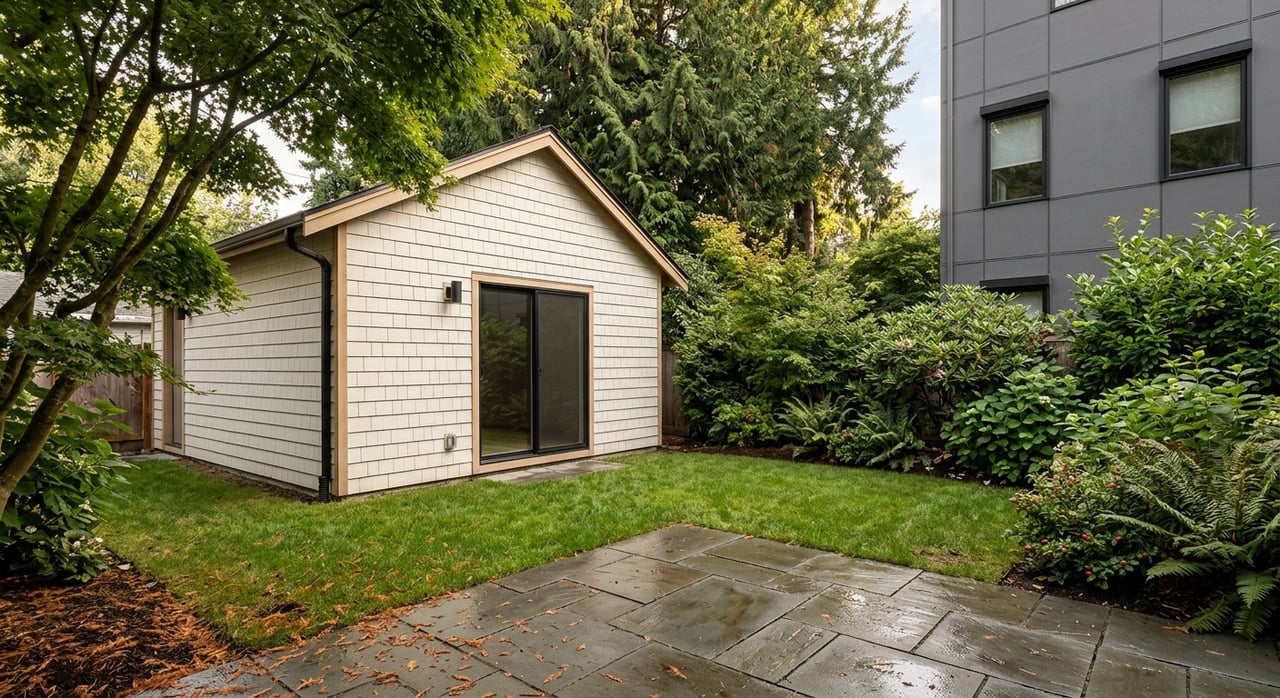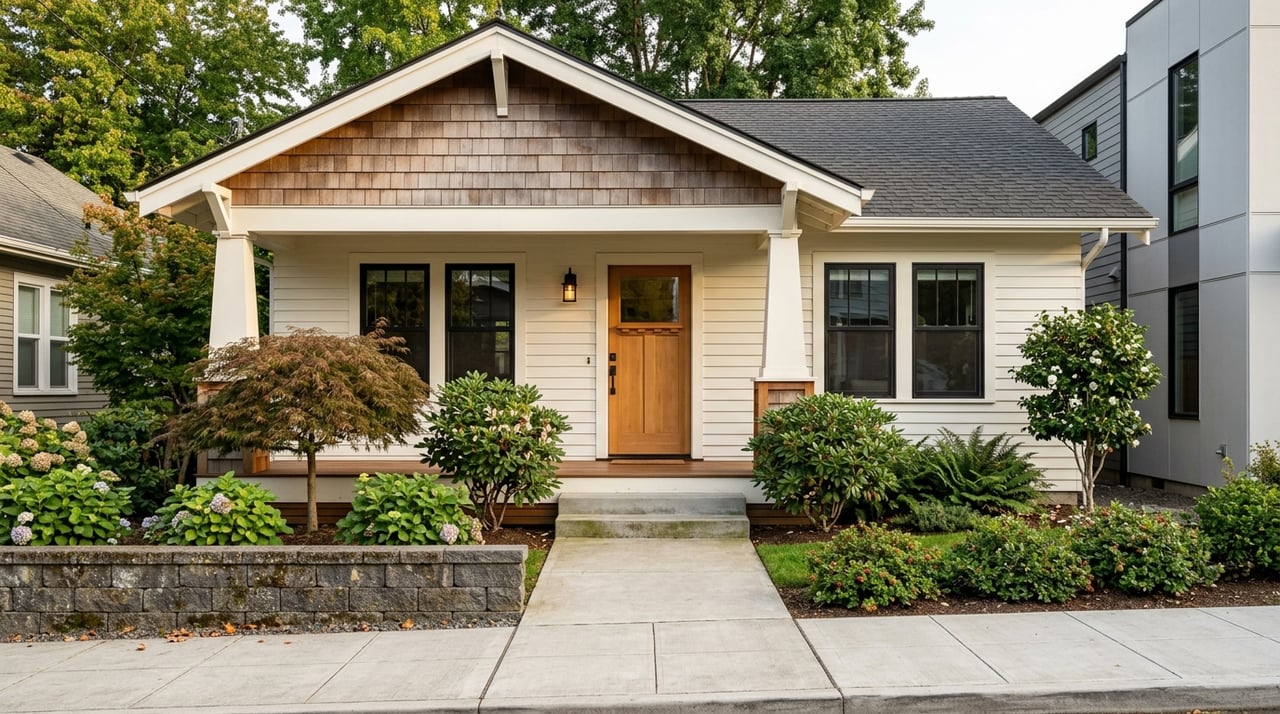
Moving for a tech job can feel exciting right up until you have to answer the big housing question: should you rent first or buy right away in Bellevue? If you are relocating from out of state or even from another part of Washington, it is normal to want a smart answer fast. In a city with high home prices, strong rental demand, and a fast-moving sales market, the right choice depends less on a rule of thumb and more on how much flexibility you need. Let’s break it down.
Bellevue housing starts with context
Bellevue is not just a suburb near Seattle. It is the largest employment center on the Eastside, and information technology is its largest and most concentrated industry cluster according to the City of Bellevue. The city also lists major tech employers like Amazon and Meta among its top employers, which helps explain why so many transferees start their home search here.
That demand shows up clearly in the numbers. Census data puts Bellevue’s 2024 population at 154,377, with a median household income of $165,576. The same source reports a median owner-occupied home value of $1,340,300 and a median gross rent of $2,572, which tells you one important thing right away: whether you rent or buy, Bellevue is a high-cost market.
Rent first if you need flexibility
For many tech relocations, renting first is the safer move. It gives you time to learn the city, test your commute, and settle into your new role before making a major financial commitment. In Bellevue, that matters because both rents and home prices are high, so a rushed decision can be expensive.
Renting first is often the better fit if your work setup still feels uncertain. Maybe your office is in Bellevue now but could shift toward Seattle or Redmond. Maybe you are still figuring out how often you will commute in person. A lease can give you breathing room while those details become clear.
Bellevue’s transit options make this strategy even more practical. Sound Transit says the full 2 Line opened on March 28, 2026, linking Bellevue with Seattle and Redmond, with peak service about every 8 minutes. If you rent near a station area, you can get a real sense of how your day-to-day travel feels before deciding where to buy.
Why renting first works for many transferees
A rent-first plan can help when you want to:
- Learn Bellevue block by block instead of choosing from a map
- Test commute options to Bellevue, Seattle, or Redmond
- Keep your move flexible during onboarding or role changes
- Avoid rushing into a competitive purchase
- Separate your relocation timeline from your homebuying timeline
This is especially relevant in Bellevue because the city has a meaningful rental base alongside homeownership. King County’s Bellevue housing snapshot says the city’s housing stock is split evenly between single-family and multifamily homes, and nearly all new housing built since 2000 has been multifamily. That gives relocating professionals more ways to try the market before committing.
Bellevue rental rules matter
If you are planning a temporary landing spot, the city’s rental rules are worth understanding. Bellevue defines long-term residential occupancy as 30 days or longer, while shorter stays are more restricted depending on property type and location. That makes the 30-day mark an important planning point if you are comparing a standard lease, furnished housing, or a very short transition stay.
Buy first if your plan is already clear
Buying first can make sense when you know Bellevue is not a short stop. If you expect to stay for at least several years, have a stable work location, and are financially prepared for a purchase, buying right away may help you lock in the lifestyle and location you want.
This approach tends to work best when your priorities are already firm. You may know you want a condo near transit, a townhome with less maintenance, or a single-family home with more space. If you already understand the tradeoffs and feel confident about your timeline, buying first can be a strong option.
Bellevue’s for-sale market is fast enough that confidence matters. Redfin reports a median sale price of about $1.5 million, homes selling in around 8 days, about 3 offers per home, and a 99.6% sale-to-list ratio. Those numbers suggest that if you wait too long on the right home, you may not get another chance at that exact location or property style anytime soon.
Buying first tends to fit when:
- You expect to stay in Bellevue for 3 or more years
- Your job location is stable
- You have funds ready for down payment and closing costs
- You want to compete for a specific property type or location
- You prefer long-term stability over short-term flexibility
For some buyers, owning near the 2 Line is especially appealing. The completed rail connection between Bellevue, Seattle, and Redmond can make station-area ownership more practical for people who want predictable commute access and long-term convenience.
The real tradeoff: optionality versus stability
In Bellevue, this decision is not really about whether renting is good and buying is bad, or the other way around. It is about optionality versus stability. Renting first gives you more room to adapt. Buying first gives you a chance to secure a home in a market that moves quickly.
That framing fits Bellevue especially well. The city is expensive, the sales market is competitive, and commute patterns can shift depending on your office, your team schedule, and your comfort with transit. Choosing the right path means being honest about what is still unknown.
A practical Bellevue decision framework
If you are trying to make this call before your move, ask yourself a few simple questions.
How long will you likely stay?
If Bellevue may be a one- to two-year chapter, renting first often makes more sense. If you already see yourself staying longer, buying becomes easier to justify because you are making a long-term decision in a high-cost market.
How certain is your work location?
This is one of the biggest questions for tech transferees. If your in-office schedule, team location, or office hub could change, renting can protect you from choosing the wrong side of your commute too early.
Do you want to test neighborhoods first?
Bellevue offers a mix of downtown living, station-area convenience, multifamily options, and single-family neighborhoods. If you are new to the Eastside, it can be helpful to live in the area first and see what feels right in real life rather than making a quick decision from afar.
Are you ready for a fast buying process?
A market where homes sell in about 8 days on average does not leave much time for uncertainty. If you buy first, it helps to be prepared, decisive, and clear on your must-haves.
Would a 30-day-plus rental solve the transition?
Sometimes the right answer is not a long lease or an immediate purchase. It may be a 30-day-or-longer rental that gives you time to land, work, and tour homes with less pressure.
What Bellevue data suggests right now
A few local data points help bring the decision into focus.
| Factor | What the data suggests |
|---|---|
| Cost of buying | Median sale price is about $1.5 million, with median owner-occupied value at $1,340,300 |
| Cost of renting | Median gross rent is $2,572, while Zillow shows average asking rent around $2,883 |
| Market speed | Homes sell in about 8 days on average |
| Competition | About 3 offers per home, with a 99.6% sale-to-list ratio |
| Housing mix | Bellevue is split evenly between single-family and multifamily housing |
| Commute options | The full 2 Line now connects Bellevue with Seattle and Redmond |
Taken together, these numbers point to a simple truth. Renting is not necessarily cheap in Bellevue, and buying is definitely not casual. That is why the smartest choice usually comes down to timing, clarity, and risk tolerance.
What often works best for tech movers
For many relocating professionals, the best first step is to use a short transition period to learn the area and then decide whether to buy. That does not mean renting is always better. It means Bellevue is a market where local feel matters, and a little time on the ground can help you make a better long-term decision.
On the other hand, if you already know your office location, budget, and preferred home style, buying first may save you from moving twice. In a market this competitive, being ready early can be an advantage.
The goal is not to force the same answer for everyone. The goal is to match your housing decision to your real timeline, your work reality, and the kind of day-to-day life you want in Bellevue.
If you are relocating for tech and want help comparing Bellevue rental options, commute patterns, and homes for sale, Milaina West Group can help you build a plan that fits your move and your timing.
FAQs
Should a tech worker rent or buy first in Bellevue?
- If your job location, commute, or long-term plans still feel uncertain, renting first usually offers more flexibility. If you know you will stay for several years and are ready for a competitive market, buying first may make sense.
Is Bellevue expensive for both renters and buyers?
- Yes. Census data shows a median gross rent of $2,572 and a median owner-occupied home value of $1,340,300, while Redfin reports a median sale price of about $1.5 million.
How fast is the Bellevue housing market for buyers?
- Redfin reports that Bellevue homes are selling in around 8 days on average, with about 3 offers per home and a 99.6% sale-to-list ratio.
Does Bellevue light rail change the rent-versus-buy decision?
- It can. With the full 2 Line now connecting Bellevue, Seattle, and Redmond, some relocating buyers and renters may want to prioritize transit access while they test commute patterns.
What counts as a long-term rental in Bellevue?
- The City of Bellevue defines long-term residential occupancy as 30 days or longer, which is an important threshold when planning temporary or transition housing.
Is renting first a sign you are not ready to buy in Bellevue?
- Not at all. In Bellevue, renting first can be a smart strategy when you want to reduce risk, learn the area, and make a more confident purchase later.