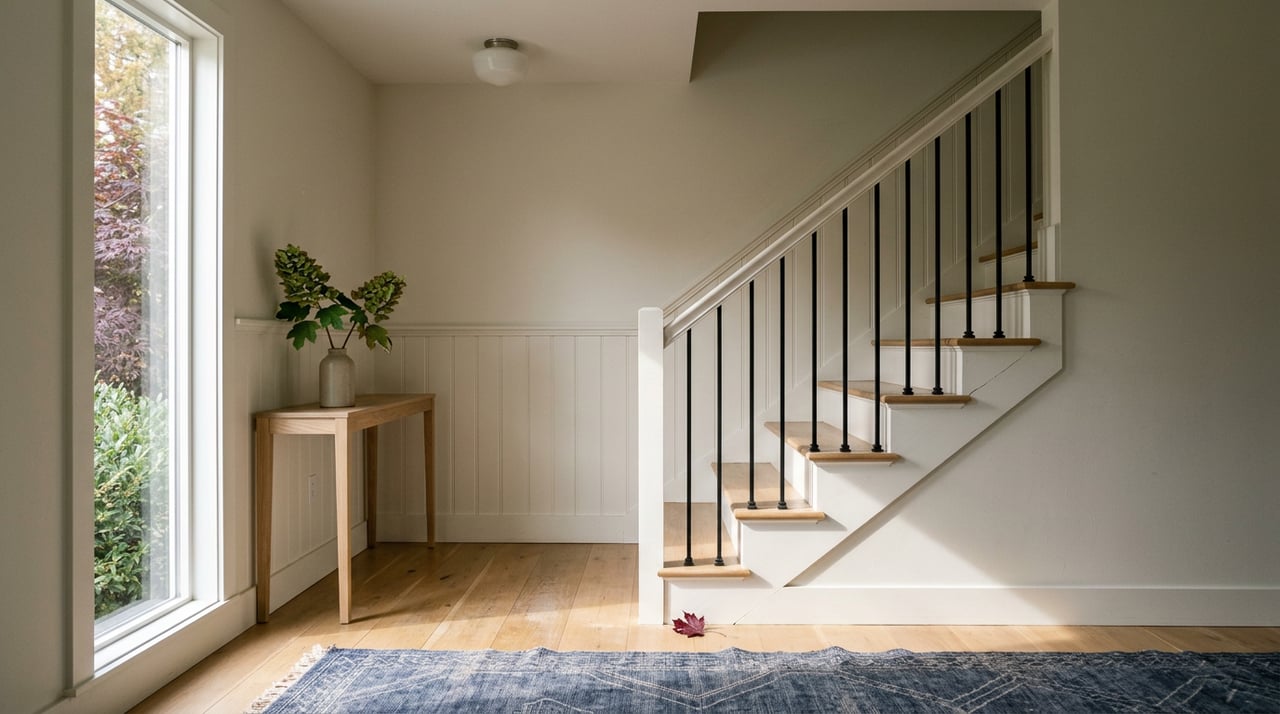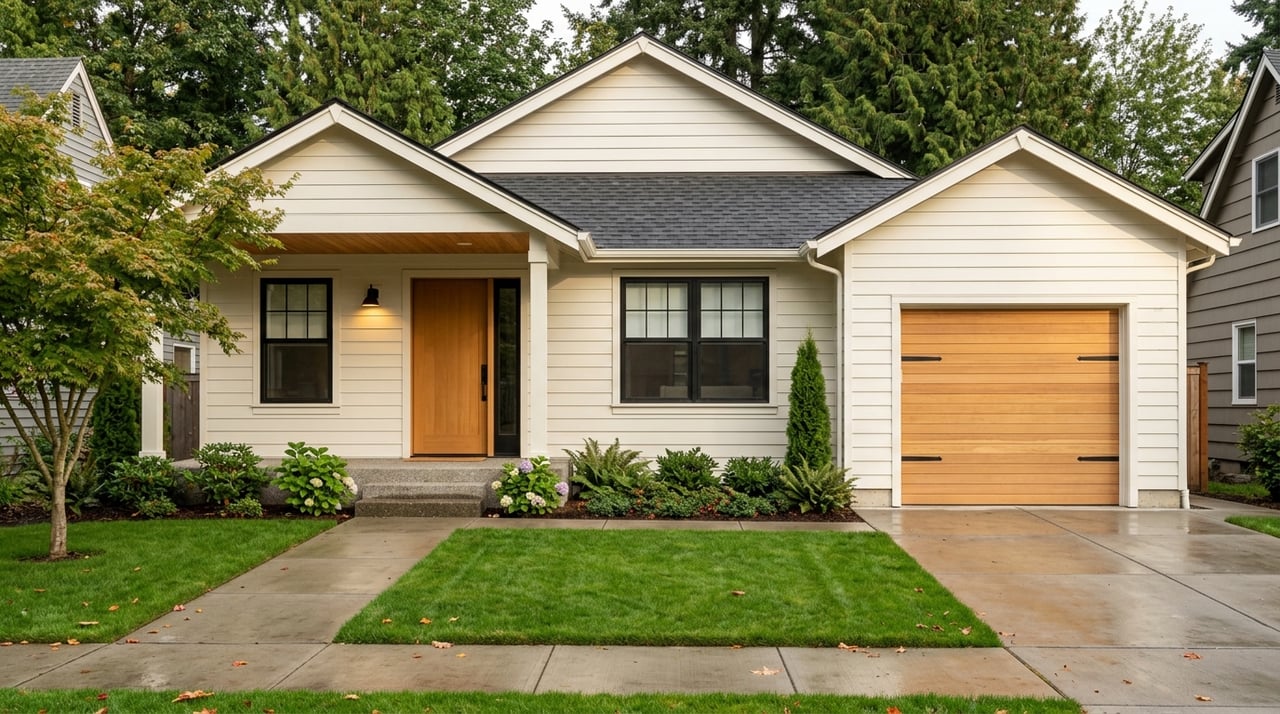
Thinking about swapping your Seattle condo for a single-family home in Kirkland? You are not alone, and the jump can be exciting, but it is also a bigger financial and logistical move than many buyers expect. If you want more space, a yard, or a different daily rhythm without losing access to jobs, transit, and amenities, the right plan matters just as much as the right house. This guide will help you think through pricing, timing, contingencies, and which parts of Kirkland may fit your lifestyle best. Let’s dive in.
Why this move is a real step up
Moving from a Seattle condo to a Kirkland single-family home is usually not a simple lateral move. In March 2026, Redfin reported a median sale price of $865,000 in Seattle and $1,375,000 in Kirkland, with both markets averaging about 13 days on market. That gap matters because it affects your down payment, loan structure, and how much equity you may need from your condo sale.
Kirkland is also described as a very competitive market, with many homes receiving multiple offers and some contingencies waived. For you, that means preparation is key. The stronger your financing and sale strategy, the more options you may have when the right house appears.
Start with your equity and cash-flow plan
Before you tour homes, get clear on what your condo can realistically contribute to the next purchase. Your available equity may need to cover part of the down payment, closing costs, moving expenses, and possibly a period where you carry two housing payments. This is where a move-up plan becomes less about browsing listings and more about managing cash flow.
It also helps to remember that owning a single-family home usually comes with more ongoing responsibility than condo living. The CFPB notes that homeowners should budget for property taxes, insurance, water, utilities, and regular repairs and maintenance, and those costs can rise over time. If your condo association has covered some shared upkeep in the past, your future home budget may need more room than you are used to.
A practical planning list often includes:
- Estimated condo sale proceeds after fees and closing costs
- Down payment target for the Kirkland purchase
- Cash reserves for moving and overlap costs
- Budget for repairs, maintenance, and utilities
- A cushion for unexpected changes during closing
Sell your Seattle condo with timing in mind
When your current home is a condo, seller prep includes more than cleaning, staging, and pricing. In Washington, condo resale documents matter early in the process. Under state law, depending on the governing statute for the community, the owner must provide a resale certificate before contract execution or conveyance.
That resale certificate can include assessments, special assessments, budget information, reserve-study status, insurance, legal actions, and other obligations tied to the association. Washington law also says the association must provide the certificate within 10 days of request and may charge up to $275 for preparation. If you wait too long to order these materials, your timeline can tighten fast.
Reserve information can also affect buyer confidence. Washington law requires a reserve-study disclosure when a condominium association does not have one, and the disclosure warns that insufficient reserves may lead to special assessments for major maintenance, repair, or replacement. In plain terms, buyers may look closely at the condo association’s financial health, and that can influence deal speed.
Treat the move like two transactions
One of the biggest mistakes move-up buyers make is treating this as only a home search. In reality, you are coordinating a condo sale, a home purchase, financing, escrow, document review, moving logistics, and sometimes temporary overlap. A smooth move usually comes from sequencing those pieces well.
The CFPB notes that mortgage closing and home purchase closing typically happen at the same time, and the process may involve your real estate agent, title insurance company, and escrow company. It also recommends a final walk-through before signing and careful review of all documents before closing. That is why strong communication and timeline management matter so much when you are selling one home to buy another.
Know which contingencies may protect you
In a competitive market, contingencies need to be used thoughtfully, but they still serve an important purpose. If your condo sale is a major funding source for your next home, the right protections can reduce risk while you move through a fast market. The best strategy depends on your equity, financing strength, and comfort with timing.
Here is a simple breakdown:
| Contingency | What it does | Why it matters for move-up buyers |
|---|---|---|
| Home sale contingency | Gives you a set time to sell your current home | Helps protect you if you need condo proceeds to close |
| Financing contingency | States what happens if you cannot obtain the loan | Can help clarify whether your deposit is refunded |
| Inspection contingency | Lets you respond to inspection findings | Helps you avoid moving forward without understanding condition |
Freddie Mac says a home sale contingency gives the buyer a specific time frame to sell the current home, and if that sale does not happen, the contract can void and earnest money is returned. The CFPB says a financing contingency can clarify whether the deposit is refunded if a loan cannot be obtained, and an inspection contingency may allow cancellation without penalty if the inspection is unsatisfactory. In a market like Kirkland, using these well is part of balancing competitiveness with protection.
Prepare for late-stage changes
Even well-organized transactions can shift near the finish line. The CFPB says that if important loan terms change, you may receive a new Closing Disclosure and, in some cases, a fresh three-business-day review period. That can affect your moving plan, condo closing coordination, and possession schedule.
The CFPB also notes that a buyer can walk away at closing if uncomfortable, but may lose the seller deposit and some lender fees. That is another reason to strengthen your pre-approval early, review documents carefully, and stay closely aligned with your agent, lender, and escrow team. Small surprises late in the process can have ripple effects across both transactions.
Match Kirkland to your daily life
Kirkland is not one-size-fits-all. The city’s plans make it clear that different areas function very differently, which is helpful when you are moving from a Seattle condo lifestyle and trying to decide what kind of tradeoffs you actually want. Some buyers want a more walkable, transit-friendly setup, while others want more quiet, greenery, or a stronger suburban feel.
The Cross Kirkland Corridor is a helpful way to think about the city as a whole. The city describes it as a 5.75-mile corridor through the heart of Kirkland, with an interim trail running from South Kirkland Park & Ride through the Totem Lake Business District. If bike access, trail use, or city connectivity matters to you, this corridor is worth keeping in mind as you compare areas.
Downtown Kirkland and Moss Bay
If you want the closest Kirkland version of an amenity-rich, urban-feeling lifestyle, start here. The city says Greater Downtown Kirkland includes the historic downtown, the NE 85th Street Station Area, Kirkland Transit Center, about one mile of the Cross Kirkland Corridor, and two Google campuses. The Moss Bay neighborhood plan also points to stores, restaurants, services, waterfront access, parks, the library, the Peter Kirk Community Center, and the transit center.
For Seattle commuters, this is an especially useful area to understand. King County Metro’s Route 255 runs between Brickyard and the Seattle Central Business District via Kirkland Transit Center, which supports downtown Kirkland as one of the most Seattle-oriented parts of the city. If you want a single-family home without giving up as much convenience, this area may feel like the easiest transition.
Totem Lake
Totem Lake offers a different kind of balance. The city identifies it as a regional growth center that includes The Village at Totem Lake, Totem Lake Transit Center, EvergreenHealth Medical Center, and Totem Lake Park. It tends to appeal to buyers who want strong daily conveniences and regional access without being in the heart of downtown Kirkland.
The Totem Lake business district plan says the transit center has frequent bus service to Greater Downtown Kirkland, Bellevue Downtown, and Redmond Downtown. That makes this area especially practical if your work or routine spans multiple Eastside destinations. For some Seattle condo owners, Totem Lake can feel like a comfortable middle ground between urban convenience and a more suburban pace.
Juanita
Juanita is a strong option if parks and shoreline access are high on your list. The neighborhood sits in central north Kirkland and includes centers tied to Juanita Village, the South Juanita business district, and the North Juanita area. Main connectors include 100th Avenue NE and Juanita-Woodinville Way NE, which shape everyday travel through the area.
Juanita also stands out for outdoor amenities. The neighborhood plan highlights Juanita Bay Park and Juanita Beach Park, and the beach park includes 1,000 feet of shoreline, a playground, courts, a seasonal swimming area, a weekly summer market, and parking. If your ideal move means more fresh air and recreation built into daily life, Juanita deserves a close look.
Rose Hill
Rose Hill is worth considering if regional mobility is a top priority. The city’s plan says the NE 85th Street corridor stretches from I-405 to 128th Avenue NE, connects downtown Kirkland with Redmond, and includes the most intensive development near the I-405 and NE 85th interchange. The plan also notes the future Sound Transit bus rapid transit station area and describes the district as transit-oriented and mixed use.
For buyers moving from Seattle who still expect to drive or commute in several directions, this can be a very practical location. It may also offer a broader mix of home types than the waterfront core. If your priority is efficient access first and neighborhood feel second, Rose Hill should be on your list.
Bridle Trails
If your goal is to trade city density for a quieter single-family-home setting, Bridle Trails offers a distinct option. The city describes it as a forested, equestrian-oriented community with small-scale housing, trails, and open space amenities. It is a useful contrast to the more active and mixed-use parts of Kirkland.
The neighborhood plan also notes that Houghton Park & Ride sits close to the I-405 NE 70th Street interchange, giving residents transit access to regional destinations. For buyers who want wooded surroundings and a more tucked-away residential feel, Bridle Trails can deliver a very different daily experience from condo living in Seattle.
A quick Kirkland comparison
| Kirkland area | Best fit for | Notable features |
|---|---|---|
| Downtown Kirkland / Moss Bay | Buyers who want walkability and Seattle access | Waterfront, shops, transit center, Route 255, Cross Kirkland Corridor access |
| Totem Lake | Buyers who want convenience and regional transit | Retail, healthcare, transit center, park access |
| Juanita | Buyers who want parks and shoreline access | Juanita Bay Park, Juanita Beach Park, neighborhood commercial centers |
| Rose Hill | Buyers who want freeway and regional mobility | NE 85th corridor, I-405 access, future bus rapid transit area |
| Bridle Trails | Buyers who want a wooded, quieter setting | Trails, open space, small-scale housing, nearby park-and-ride access |
Build a realistic transition plan
The strongest move-up strategy is usually the one that gives you choices. That may mean preparing your condo for market early, ordering association documents sooner than you think you need them, tightening your financing, and identifying which contingencies match your comfort level. It also means planning for the true cost of ownership once you move into a single-family home.
This is where organized guidance can make a real difference. When your sale prep, vendor coordination, buyer search, and closing timeline all work together, the move tends to feel more manageable and less reactive. Instead of chasing the market, you can move with a plan.
If you are thinking about making the jump from a Seattle condo to a Kirkland single-family home, Milaina West Group can help you map out the timing, prep your condo for sale, and find the Kirkland area that fits the way you want to live.
FAQs
What makes moving from a Seattle condo to a Kirkland house more complex?
- You are usually coordinating two transactions at once, and the price jump between Seattle and Kirkland can make equity, financing, and timing especially important.
What condo documents do Washington sellers need for a resale?
- Washington condo sellers generally need to provide a resale certificate, which can include assessments, budget information, reserve-study status, insurance, legal actions, and other association obligations.
What costs should buyers expect when moving from a condo to a single-family home?
- Beyond the mortgage, you should budget for property taxes, insurance, water, utilities, repairs, and ongoing maintenance, which may be greater than what you handled as a condo owner.
What contingencies can protect a move-up buyer in Kirkland?
- Common protections include a home sale contingency, a financing contingency, and an inspection contingency, depending on how much risk you are comfortable taking.
What Kirkland area is best for commuting to Seattle?
- Downtown Kirkland and Moss Bay are strong options to explore because they offer transit access, walkability, and Route 255 service to the Seattle Central Business District.
What Kirkland area fits a more quiet, suburban single-family lifestyle?
- Bridle Trails is a useful area to consider if you want a forested setting, trails, open space, and a more tucked-away residential feel.