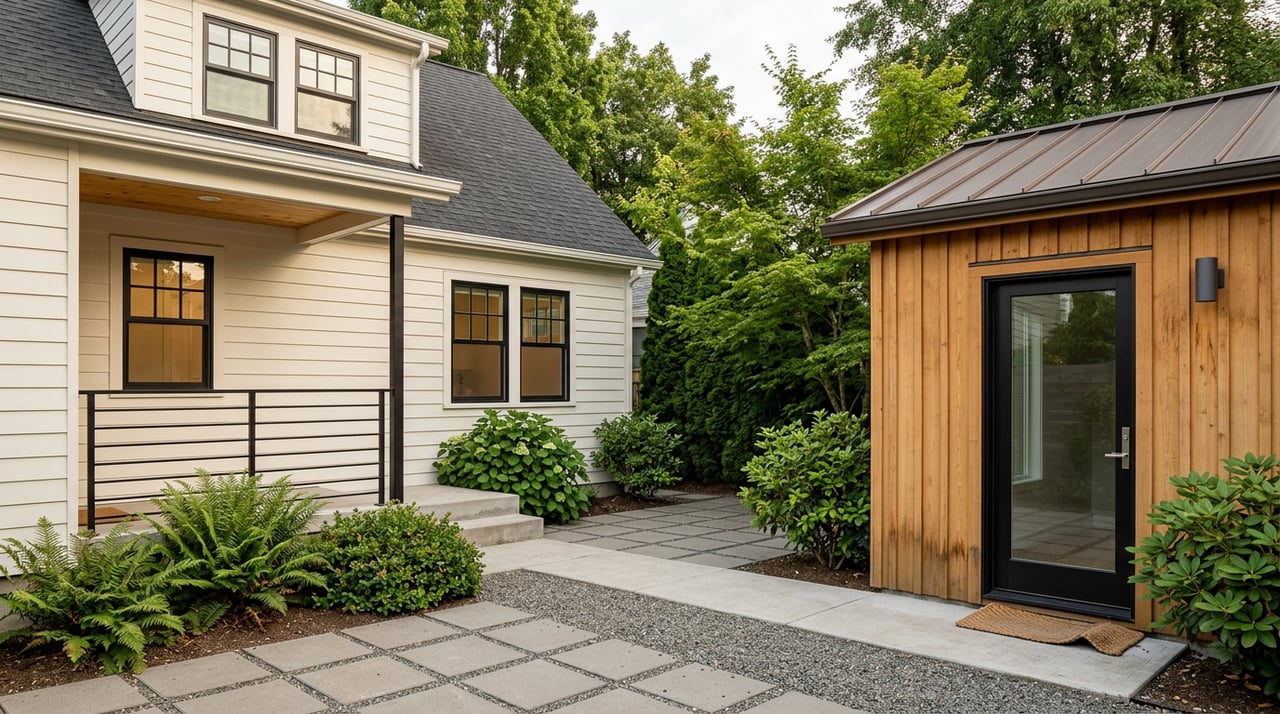
What if your Everett home could help pay for itself? If you’re looking for a smarter path into homeownership, house hacking can offset a big part of your monthly costs while you build equity. You want clear, local guidance so you can run the numbers, follow the rules, and choose the right property with confidence. In this guide, you’ll learn proven house‑hacking options in Everett, key local regulations, financing paths, taxes and insurance basics, and a simple checklist to get started. Let’s dive in.
What house hacking means in Everett
House hacking is when you buy a home you live in, then rent out another unit or space to reduce your housing costs. In Everett, the most common paths are:
- An owner‑occupied duplex, triplex, or fourplex.
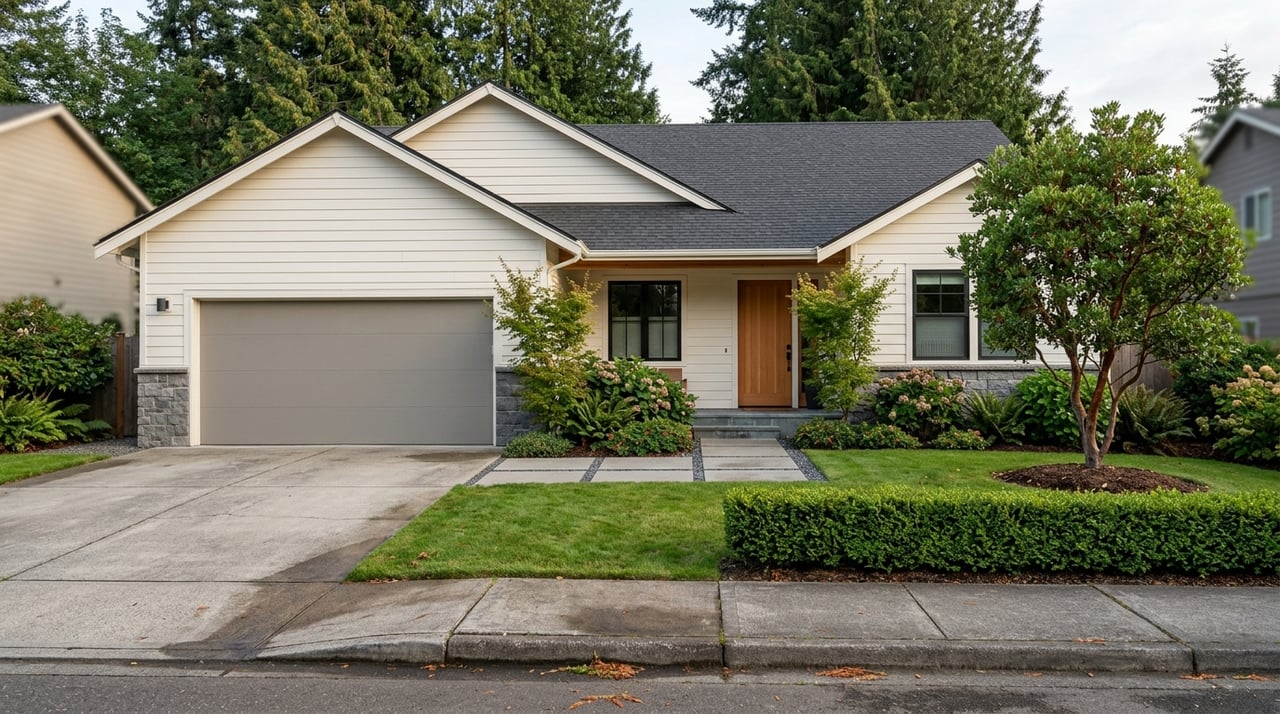
- A single‑family home with a legal Accessory Dwelling Unit (ADU).
- A single‑family home with a rentable basement or converted space you can legalize.
Everett recently expanded ADU possibilities in many residential zones, including allowing up to two ADUs on a lot in several cases and removing the rule that the owner must live on site to develop ADUs. Always confirm the exact zoning and standards for a specific address on the city’s ADU page and with Permit Services. You can review current policy highlights on Everett’s official ADU resource page at the city’s site for Accessory Dwelling Units.
Property types that work here
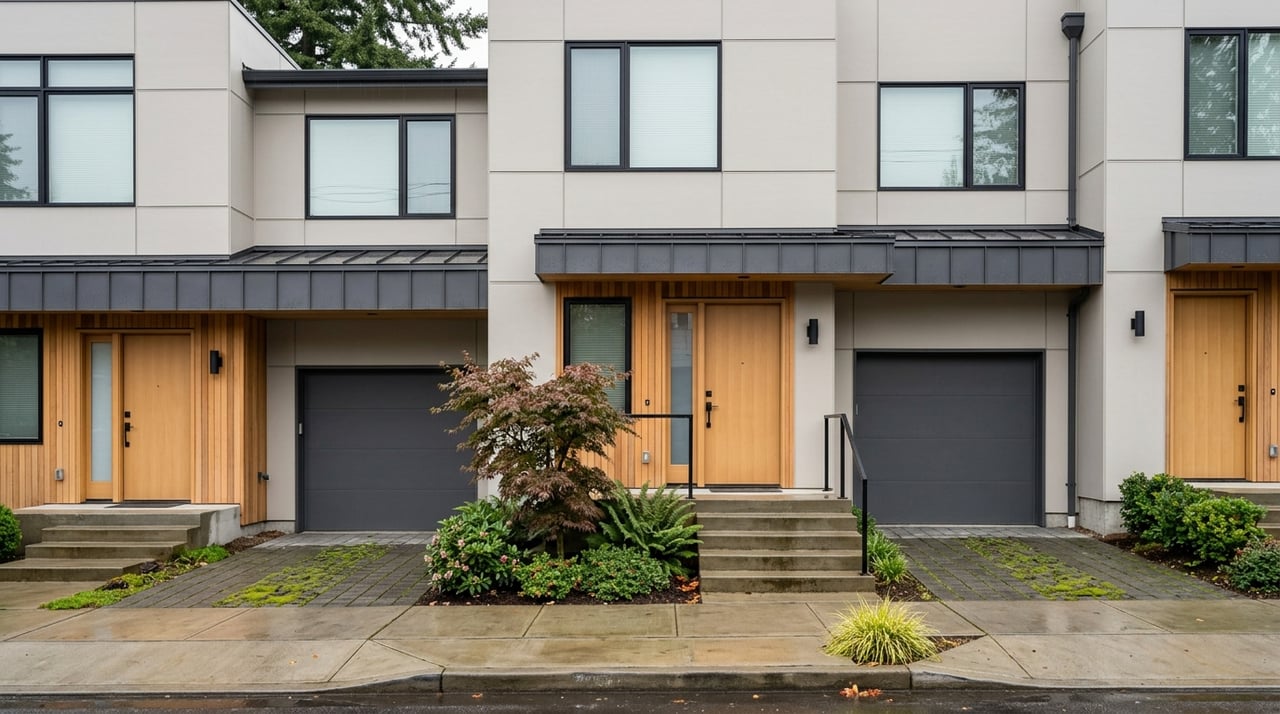
Duplex, triplex, or fourplex
Buying a 2–4 unit property and living in one unit is a classic house hack. Federal programs allow this when you intend to occupy the property as your primary residence:
- FHA insures loans for 1–4 unit properties with owner occupancy and allows use of projected rental income from the other units in qualifying. Review policy basics in the FHA Single Family Housing Policy Handbook.
- VA financing can be used by eligible buyers to purchase 2–4 unit properties, as long as you live in one unit. See occupancy and underwriting guidance in the VA Lender’s Handbook.
- Conventional agency loans also support owner‑occupied 2–4 unit purchases. Recent updates increased allowable loan‑to‑value ratios in many cases, which can help reduce down payment needs. Learn more about the changes summarized by industry reporting on Fannie Mae’s DU updates.
Rules vary by lender and program. Expect documentation of your occupancy intent, rental income treatment standards, and possible reserve requirements for 3–4 unit properties. Work with a lender experienced in owner‑occupied multi‑unit loans.
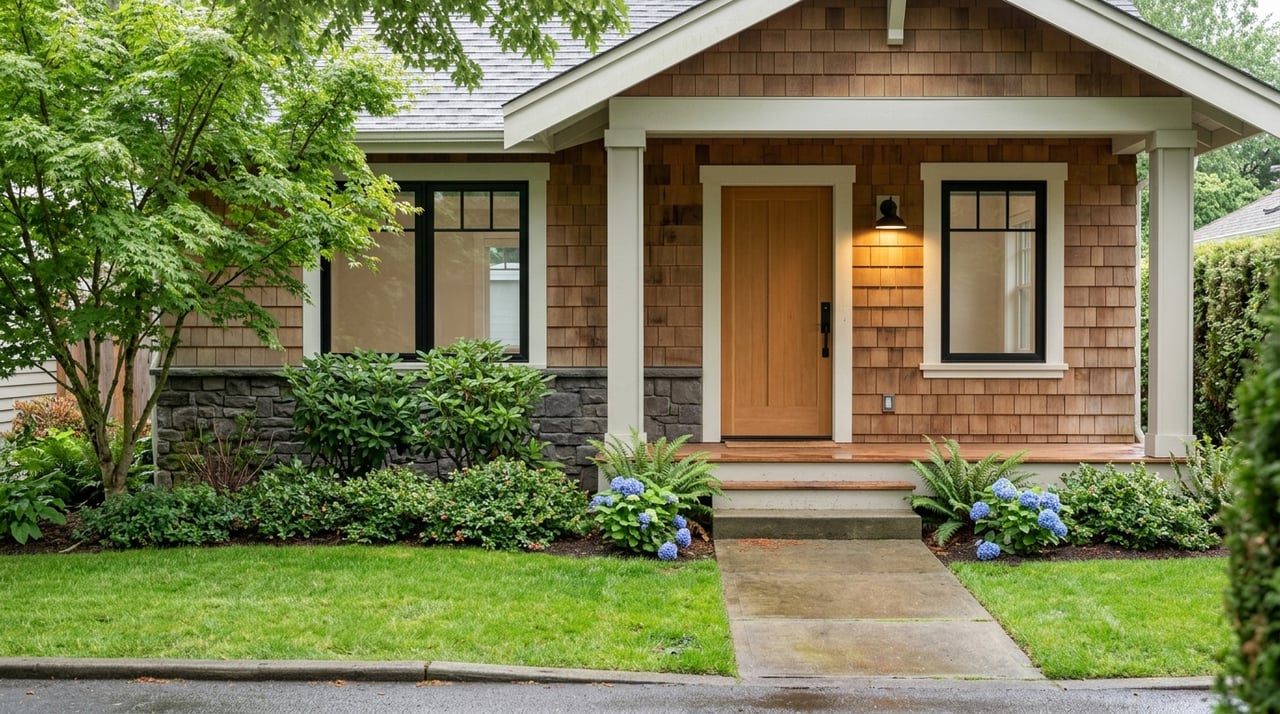
Single‑family with a legal ADU
Many Everett buyers choose a house with an attached or detached ADU. The city has made ADUs more feasible in many zones, including allowing two ADUs on a lot in some cases and not requiring the owner to live on site to develop them. Permits, utility connections, and site work still add time and cost, so verify requirements early on the city’s ADU guidance page.
Single‑family with a basement rental
Some homes have basements or converted spaces that are already rented informally. This can be workable if you legalize the unit. Plan for inspections and potential upgrades to meet habitability and code standards. Start with Everett’s ADU and permitting information to understand next steps and fees using the city’s ADU resource page.
Local prices and rents to frame your math
Use local data to set expectations and test deals:
- Home prices: Redfin reports Everett’s median sale price near $549,990 as of a recent snapshot. See the latest trend on Redfin’s Everett market page.
- Rents: Recent estimates place the average Everett apartment rent around $1,849, depending on size and source. Check the latest averages on RentCafe’s Everett page.
Takeaway: A modest duplex or a home with a legal ADU can meaningfully lower your net housing cost in Everett if you buy right and use realistic rent comps with a vacancy and maintenance allowance.
Financing steps for live‑in investors
Here’s a high‑level look at common pathways. Program rules change, and lenders add their own overlays, so confirm specifics before you shop.
- FHA loans: Owner‑occupied 1–4 unit financing, low down payment options, and potential use of projected rental income. Review FHA rules in the FHA handbook.
- VA loans: Eligible buyers can finance 2–4 units with occupancy. Details appear in the VA Lender’s Handbook.
- Conventional loans: Fannie Mae and Freddie Mac allow owner‑occupied 2–4 units, with updated high‑LTV options in many scenarios. See coverage of the DU changes in industry reporting.
- Practical tips: Expect multi‑unit appraisals to require similar‑type comps. Ask how your lender treats rental income (what percentage of market rent counts). Plan for reserves if you target 3–4 units.
Rules and permits you must verify
Everett and Snohomish County both provide clear ADU and zoning resources. Before you write an offer, confirm the following for the exact property:
- Zoning and ADU eligibility by address, including size limits and allowed unit count. Start with Everett’s ADU policy page.
- Snohomish County rules if the home is in unincorporated areas. See the county’s ADU definition and updates in SCC 30.91A.035.
- Recorded CC&Rs or HOA restrictions that could limit ADUs or rentals.
- Permit requirements, impact fees, parking and setback standards, and utility connection needs.
- Separate meters or sub‑metering feasibility for multi‑unit or ADU setups.
- Title covenants or notices required for ADUs.
- Local rental licensing or disclosures. Several Washington cities require registration or business licensing for rentals, so confirm Everett’s current requirements directly with the city.
When in doubt, book a pre‑application or counter appointment with Everett Permit Services to discuss site‑specific feasibility.
Taxes, insurance, and landlord basics
- Taxes: Rental income is taxable and typically reported on Schedule E. You can deduct eligible expenses and depreciate the rental portion. For details, review IRS Publication 527.
- Insurance: If you live in one unit and rent others, you’ll likely need an owner‑occupied multi‑family or hybrid owner/landlord policy. Speak with an insurance agent early so coverage matches your use.
- Landlord‑tenant law: Washington’s Residential Landlord‑Tenant Act sets notice and eviction procedures, including a 14‑day notice for nonpayment in many cases. You can read the statute summary for the 14‑day notice on Justia’s RCW page. Consult an attorney for legal questions.
Quick‑start checklist for Everett buyers
- Get preapproved with a lender that handles 2–4 unit primary residences and can model rental income in your scenario.
- Pull current rent comps for the exact address and unit type. Use conservative rents and add a vacancy allowance.
- Call Everett Permit Services or Snohomish County planning to confirm ADU or duplex use and any required recordation or covenants.
- Budget for permits, potential life‑safety upgrades, insurance changes, reserves, and professional services.
- Decide who will handle leasing, tenant screening, and ongoing management.
Example scenario: what the numbers could look like
Use the city’s median sale price and local rent ranges as a simple starting point. With Everett’s median near about $550,000 and typical 2‑bedroom rents around $1,700 to $2,000 per month, renting a second unit or a legal ADU could cover a meaningful slice of your monthly principal, interest, taxes, and insurance. Your outcome will depend on your down payment, interest rate, taxes, insurance, utilities, vacancy, maintenance, and management costs. Always underwrite with conservative rents and realistic expenses.
Risks and tradeoffs to plan for
- Overestimating rents or ignoring vacancy and collection loss.
- Surprises during permitting that trigger code upgrades for ADU or basement conversions.
- HOA or title covenants that restrict ADUs or rentals.
- Insurance and lender differences between single‑family and owner‑occupied multi‑unit properties.
- Time and legal risk tied to tenant management. Washington law sets specific notice and eviction procedures, so learn the rules or hire help.
How we support your house‑hack plan
You deserve a partner who knows the local rules and keeps your purchase on track. Our team guides you to the right property types for your goals, pressure‑tests assumptions with local data, and coordinates inspections and contractor bids if you are evaluating an ADU addition or legalization. With organized systems and a friendly, high‑touch approach, we help you move from idea to keys with confidence.
Ready to explore house hacking in Everett or nearby Snohomish County? Reach out to the Milaina West Group to talk strategy and see live opportunities.
FAQs
What is house hacking and how does it work in Everett?
- You live in one unit or part of a property and rent the rest, using local rules and realistic rents to offset costs while building equity.
Does Everett allow two ADUs on one lot?
- In many residential zones the city now allows up to two ADUs on a lot, subject to size, zoning, and permit rules—confirm specifics for the address.
Can I use FHA or VA to buy a duplex in Everett?
- Yes, both programs allow 2–4 unit owner‑occupied purchases when you live in one unit, subject to each program’s underwriting and occupancy rules.
What are typical rents I can use for planning?
- Recent averages place Everett rents around the high $1,600s to $1,900s, but you should pull current comps for the specific location and unit type.
Do I need city permits to rent a basement unit?
- If the space is not already a legal dwelling unit, you will need to legalize it through permits and any required life‑safety upgrades before renting.
How is rental income taxed for house hacking?
- Rental income is taxable, reported on Schedule E, and you can deduct eligible expenses and depreciate the rental portion; consult a tax professional.
What notice is required for nonpayment in Washington?
- Washington’s Residential Landlord‑Tenant Act provides a 14‑day pay‑or‑vacate notice for nonpayment in many situations—follow state procedures precisely.