What makes a Seattle neighborhood feel like home? In the Central District, the answer often comes down to the mix of historic homes, everyday gathering spots, and a street-by-street rhythm that feels rooted and lived-in. If you are considering a move here, or just want a clearer picture of daily life, this guide will help you understand what stands out about the Central District and what you can expect block to block. Let’s dive in.
Central District at a Glance
The Central District, often called the Central Area in city documents, does not have one single official boundary. Seattle’s historic survey describes a core area roughly bounded by Madison Street, Jackson Street, 15th Avenue, and Martin Luther King Jr. Way.
That matters because the neighborhood does not function like a traditional downtown with one main core. Instead, it feels more like a network of residential streets, busy arterials, local business nodes, parks, and community spaces that connect daily life across the area.
Seattle’s Office of Planning and Community Development identifies the Central Area as the center of Seattle’s African American community, and the city’s arts program describes the Historic Central Area Arts & Cultural District as a historically African-American neighborhood that was originally redlined and is still changing quickly. That history remains an important part of how many people understand the neighborhood today.
Central District Architecture
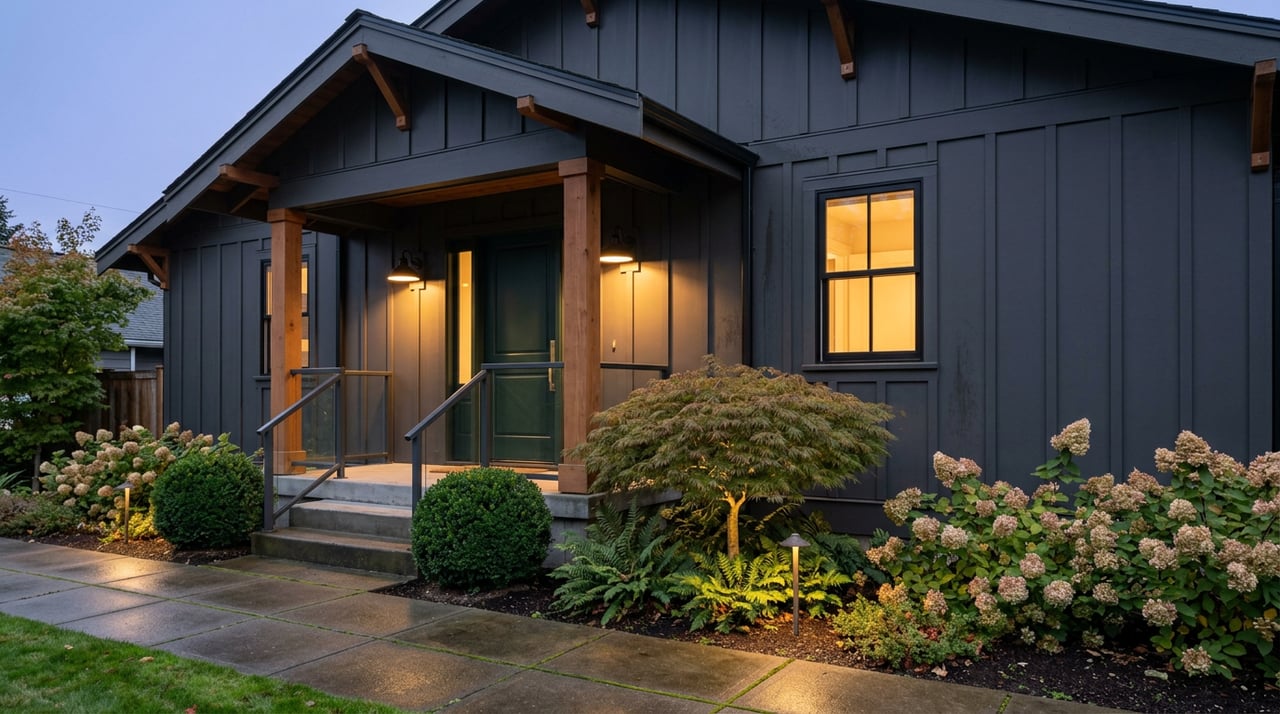
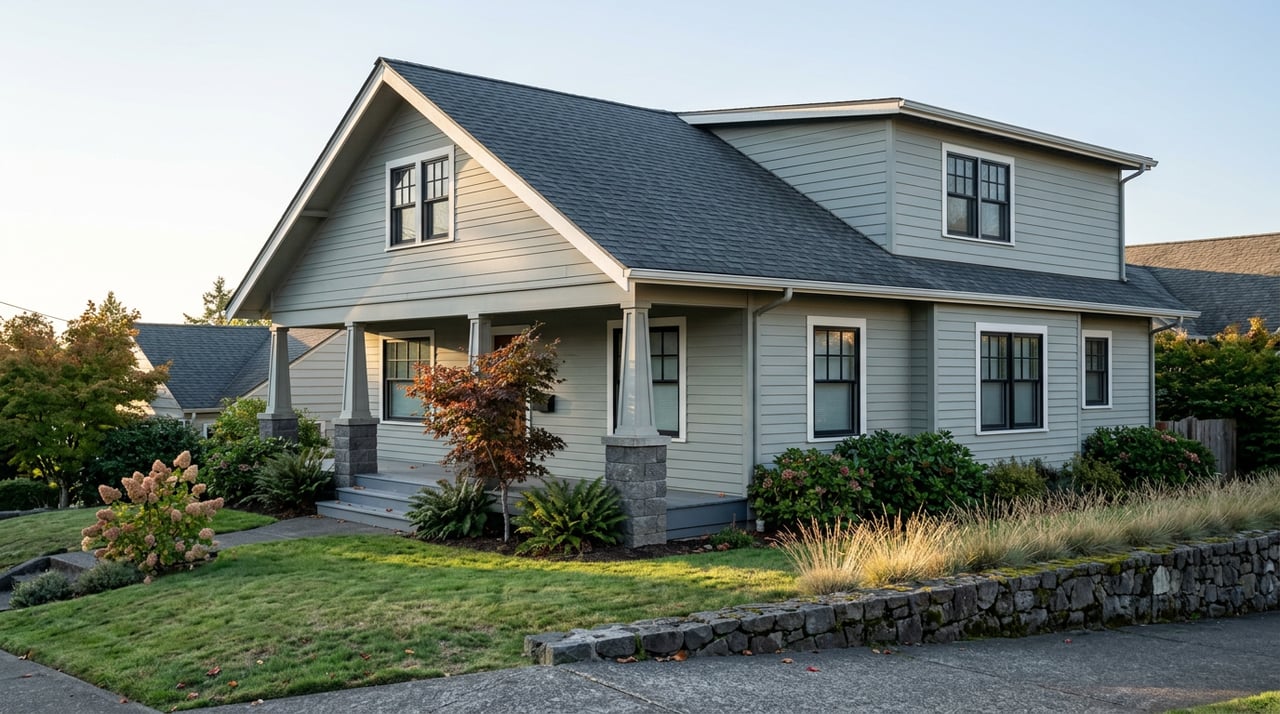
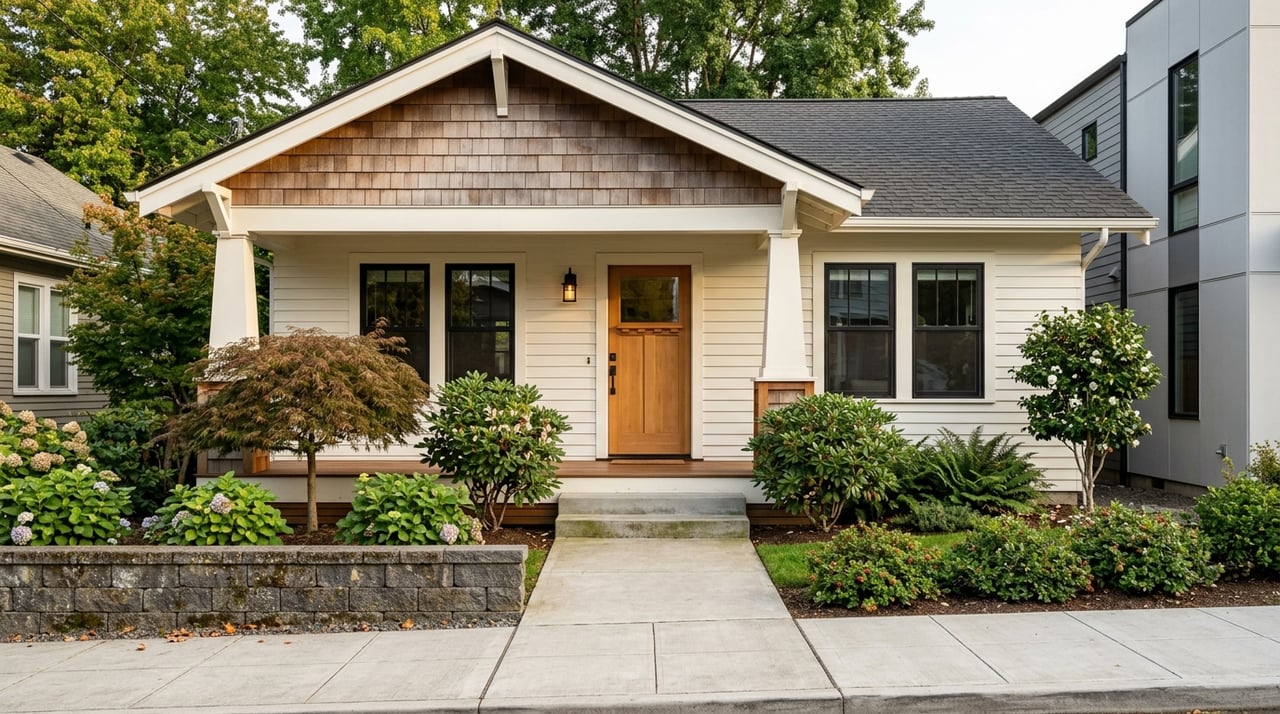
One of the biggest draws in the Central District is its mix of older character homes and newer housing. Seattle’s historic inventory documents surviving early-1900s homes here, including Craftsman, Queen Anne, and American Foursquare styles.
Examples in the city’s records include a 1906 Craftsman bungalow on South Washington Street, a 1902 Queen Anne on 24th Avenue, and a 1902 American Foursquare on 16th Avenue. The city survey also notes that about 2,200 houses remain from more than 5,000 built by the end of 1906 across the core residential neighborhoods that include the Central Area.
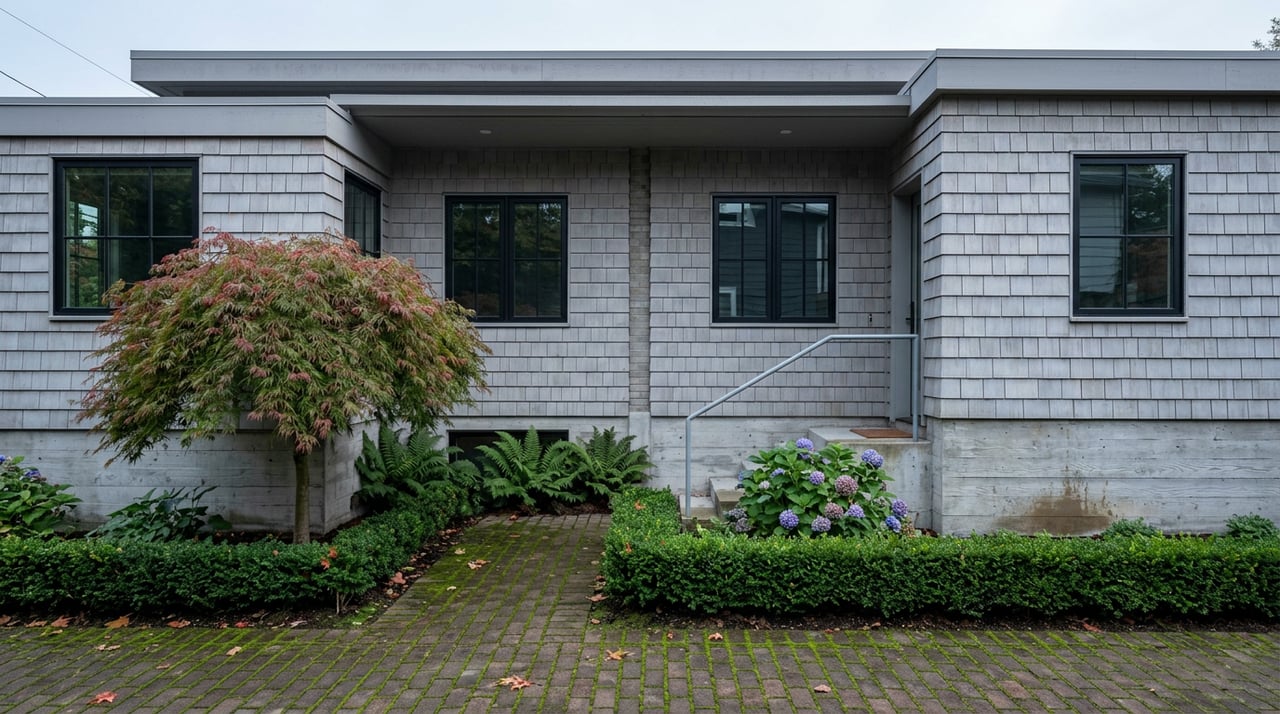
For you as a buyer, that often translates to a neighborhood with real visual variety. On quieter side streets, you may find older detached homes with mature trees and period details, while busier corridors are more likely to include newer infill homes and attached housing.
Housing Options in the Central District
The Central District is not a one-style, one-price neighborhood. Current inventory shows a broad range of condos, townhomes, and single-family homes, which gives buyers and renters more than one path into the area.
In late May and early June 2026, active listings showed condos from about $249,000 to $1.15 million, townhomes from about $424,000 to just under $1 million, and single-family homes from about $750,000 to nearly $2 million. These are asking prices, not closed-sale averages, but they show just how wide the spread can be.
Recent market snapshots also vary depending on how each platform defines the neighborhood and when the data was pulled. Orchard reported a median sale price of $895,000 over the last 30 days, while Redfin’s broader Central Seattle page showed a $950,000 median sale price last month.
The practical takeaway is simple: pricing in the Central District is highly block-specific. If you are searching here, it helps to compare homes by micro-location, housing type, condition, and proximity to key corridors rather than assuming the entire neighborhood behaves like one market.
Cafes and Everyday Hangouts
Daily life in the Central District is shaped by small, independent gathering places. The cafe scene is one of the clearest examples.
Seattle Met’s 2026 coffee guide highlights Café Avole in the Liberty Bank Building and notes its Ethiopian coffee tradition. Push Pull, which opened in Seattle’s central district in 2022, is also recognized for its experimental coffee program.
Together, those spots help show the neighborhood’s everyday character. The Central District reads less like a chain-heavy retail district and more like a place where local cafes serve as regular meeting points, work spots, and part of the weekly routine.
If you are relocating to Seattle, this kind of detail can matter more than a map suggests. Having a few reliable places for coffee, conversation, or a change of scenery often shapes how quickly a neighborhood starts to feel familiar.
Parks and Outdoor Space
The Central District also offers a strong network of parks and public spaces that support everyday use. These are not just destination parks. They are part of how people move through the neighborhood and spend time close to home.
Jimi Hendrix Park sits next to the Northwest African American Museum and adds a meaningful public green space to the area. Judkins Park stretches across a six-block corridor and includes a spray park, fields, courts, and picnic areas.
Powell Barnett Park adds more active-use space with basketball courts, a wading pool, and play areas. For many residents, these parks help balance the urban setting with room to walk, gather, or spend time outdoors without leaving the neighborhood.
Arts and Cultural Landmarks
The Central District’s identity is also shaped by long-standing cultural institutions. Langston Hughes Performing Arts Institute is a 1915 landmark in the Central Area and is used for community programs and African American arts and culture.
It is also home to the Historic Central Area Arts and Cultural District. Along with the broader history recognized by the city, this gives the neighborhood a cultural presence that goes beyond architecture or real estate trends.
For buyers, that context can be helpful when you are deciding whether a neighborhood feels connected to Seattle’s larger story. In the Central District, history and present-day life are closely linked.
Getting Around the Central District
The Central District often feels like a collection of connected corridors rather than one central destination. Seattle transportation projects in the area reflect that pattern.
The city’s work includes the permanent Central District Healthy Street on 22nd Avenue and improvements tied to the Route 48 corridor connecting the Central District, Judkins Park, and other central Seattle neighborhoods. Taken together, these projects support the idea of a neighborhood where walking, biking, transit, and short local trips are part of everyday life.
If your routine includes commuting to other parts of Seattle or simply wanting flexible ways to get around, this layout can be a real advantage. The neighborhood’s street network supports movement between local nodes instead of funneling everything into one single center.
What Daily Life Feels Like
So what does Central District living actually feel like day to day? In many parts of the neighborhood, it means older homes and tree-lined side streets, a choice of parks for downtime, and local cafes that become part of your routine.
It also means variety. One block may feel primarily residential and quiet, while another is shaped more by transit routes, mixed housing, or neighborhood-serving businesses.
That range is part of the appeal, but it also means your experience can change depending on exactly where you live. If you are home shopping here, it is worth paying attention to the rhythm of a specific block, not just the neighborhood name on a listing.
Why Buyers Look at the Central District
For many buyers, the Central District stands out because it offers several things at once. You can find historic architecture, newer housing choices, established parks, and cultural anchors within one part of Seattle.
It can also appeal to different types of buyers. Some are looking for a condo or townhome with easier entry into the market, while others are searching for a detached home with character and more space.
Because the housing stock is mixed, the neighborhood can work for a wide range of budgets and goals. The key is to be realistic about the fact that availability, condition, and pricing can shift fast from one pocket to the next.
How to Explore the Central District Well
If you are serious about living in the Central District, the best next step is to experience it in person with a focused eye. Try to look beyond listing photos and spend time noticing how each pocket feels.
Here are a few things to pay attention to:
- The mix of older homes and newer infill on the block
- Distance to cafes, parks, and daily errand spots
- Street activity along major corridors versus side streets
- Access to transit and bike-friendly routes
- How the immediate area feels at different times of day
That kind of on-the-ground context can help you narrow in on the right fit faster. It is especially useful in a neighborhood as varied as the Central District.
If you are planning a move to or within Seattle, the right guidance can make that process much easier. The Milaina West Group helps buyers, sellers, and relocating clients make confident moves with clear advice, local insight, and a smooth, organized experience.
FAQs
What is the Central District in Seattle known for?
- The Central District is known for its historic housing, local cafes, parks, and its long-standing role as the center of Seattle’s African American community.
What kinds of homes are in the Central District?
- Housing in the Central District includes condos, townhomes, single-family homes, and older early-1900s houses such as Craftsman, Queen Anne, and American Foursquare styles.
What is the Central District housing market like?
- The Central District market includes a wide range of home types and asking prices, and values can vary significantly depending on the specific block, housing type, and condition.
Are there good parks in the Central District?
- Yes. Jimi Hendrix Park, Judkins Park, and Powell Barnett Park are all notable neighborhood parks that support recreation and everyday outdoor time.
What are some popular cafes in the Central District?
- Café Avole and Push Pull are two well-known Central District cafes that reflect the neighborhood’s independent coffee culture.
Is the Central District easy to get around?
- The neighborhood includes walkable and bikeable corridors, the Central District Healthy Street on 22nd Avenue, and connections along the Route 48 corridor to other central Seattle areas.