Thinking about trading city noise for a place with more character, outdoor access, and a true downtown? Snohomish stands out for buyers who want a slower pace without feeling disconnected from the rest of the region. If you are considering a move here, this guide will help you understand what daily life, housing choices, pricing, and long-term considerations really look like before you buy. Let’s dive in.
Why Snohomish Feels Different
Snohomish has a small-town identity that is hard to miss. The city has about 10,719 residents and 4,453 households, and more than half of homes are owner-occupied. That smaller scale gives daily life a different rhythm than you would find in a denser urban area.
One of the biggest draws is the historic downtown. The city identifies its Historic District as the first of its kind in Snohomish County, and that area helped earn Snohomish the nickname Antique Capital of the Northwest. If you enjoy local shops, community events, and older architecture, this part of town often shapes your first impression.
Snohomish also has a strong event calendar that helps build local connection. Recurring events listed by the city include Kla Ha Ya Days, the Snohomish Farmers Market, the Snohomish Block Party, and the Snohomish Art Walk. For many buyers, that steady mix of activity is part of what makes the town feel lived-in and welcoming.
Outdoor Access Is Part of Daily Life
In Snohomish, outdoor recreation is not just an occasional weekend plan. The city says it has about 170 acres of parks and open space, which gives residents a range of places to walk, relax, and spend time outside. That access can be a real quality-of-life factor when you are choosing where to live.
The Centennial Trail is one of the area’s best-known amenities. The 30-mile trail starts in Snohomish and draws more than 500,000 users each year. If you like biking, walking, or simply having easy access to a regional trail system, this is a meaningful local benefit.
Riverfront amenities also shape the feel of the city. Cady Park and the Riverfront Trail offer walking paths, fishing access, a non-motorized boat launch, kayak storage, and water views. For buyers, that means some parts of Snohomish offer a lifestyle tied closely to the river and open space.
Snohomish Housing Has Real Variety
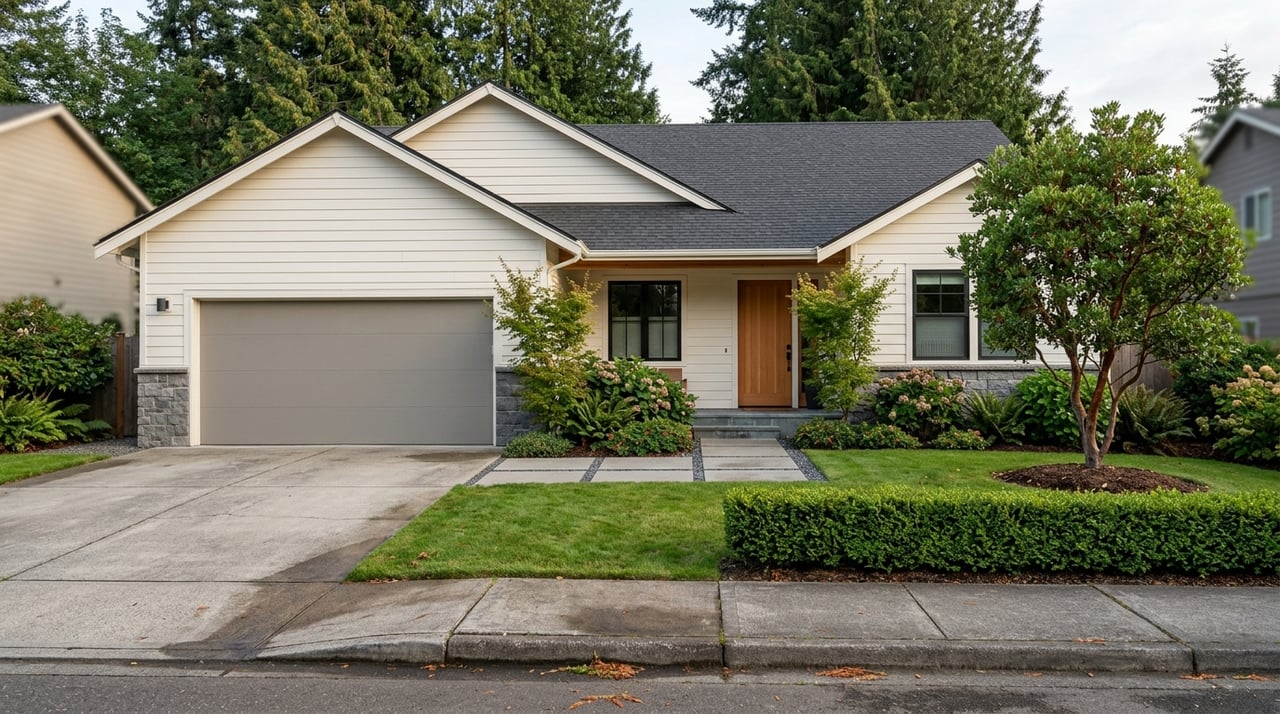
Snohomish is not a one-style market. The city’s housing mix includes historic homes, detached single-family properties, attached housing, and planned mixed-use growth areas. That variety matters because two homes with the same bedroom count can offer very different experiences depending on age, location, and setting.
Detached single-family homes remain the dominant housing type in the city. At the same time, the city says local code allows accessory dwelling units and manufactured housing, which helps broaden the range of options. If you are looking for flexibility in budget or property type, that mix can work in your favor.
The city reports 4,461 dwelling units and a 2044 population target of 12,878. Planning documents show that Snohomish is trying to add housing while preserving the qualities that make the city distinctive. For buyers, that means the market may continue to evolve rather than stay frozen in time.
What to Know About Historic Homes
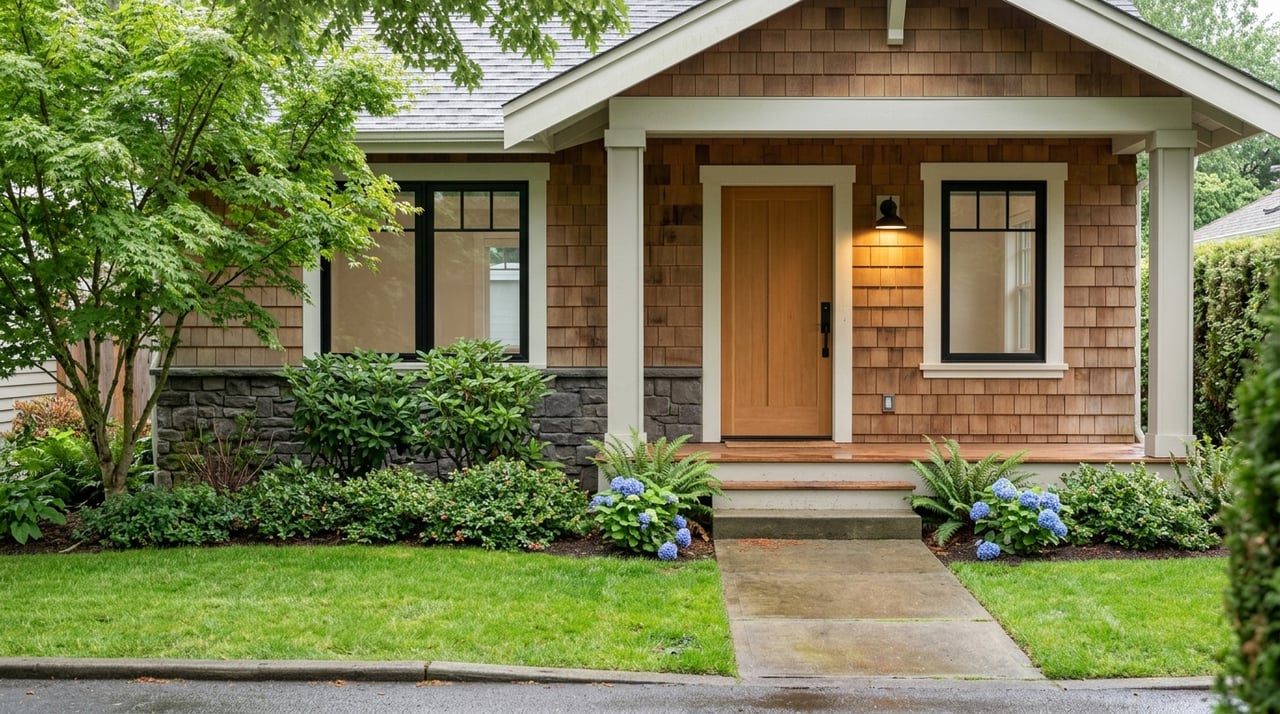
If you are drawn to charm, the Historic District may be the first place you explore. According to the city, homes there date from the 1860s to the present, with many built before 1920. Common architectural styles include Craftsman Bungalow and Queen Anne Victorian.
That character can be a major advantage if you value design details and a strong sense of place. Older homes often stand out for their curb appeal, established streetscapes, and connection to downtown. They can also carry lasting appeal for future buyers who want something more distinctive than a standard subdivision home.
Still, historic ownership comes with extra homework. Because the Historic District is an overlay area, exterior changes are regulated to help maintain historic character. If you are considering a home in that area, it is smart to factor design-review requirements into your plans before you buy.
Where New Growth Is Happening
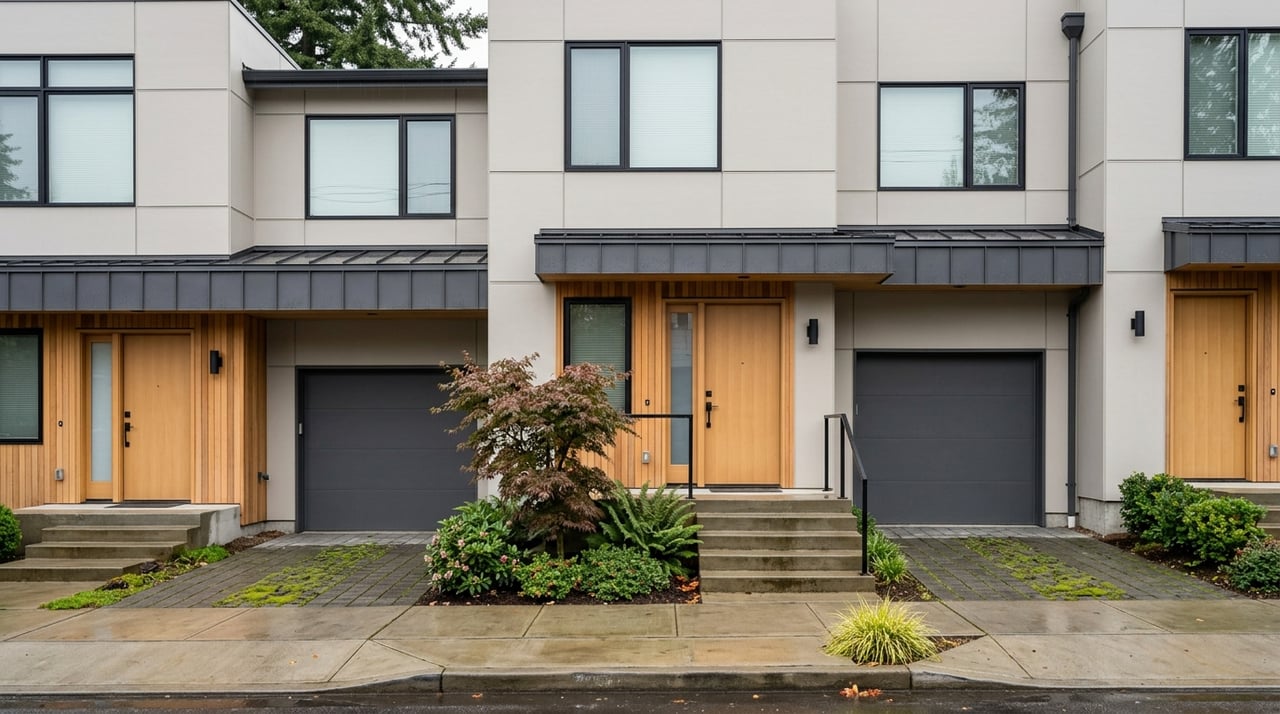
Not every buyer wants a historic home, and Snohomish has future growth areas worth watching. The Pilchuck District is planned as a walkable urban village with detached homes, townhomes, mixed-use buildings, office space, and some four- to five-story buildings in selected zones. That makes it one of the clearest examples of where housing choice may expand over time.
The Midtown District is also intended to support pedestrian-oriented, higher-density residential and mixed-use development. For buyers who want lower-maintenance living or prefer a more connected, walkable setting, these planning areas may become increasingly relevant.
This balance between preservation and new development is one of Snohomish’s defining themes. The city is trying to keep its historic core intact while creating room for more housing types and more mixed-use activity. If you buy near one of these planning areas, nearby land use may look different in the future than it does today.
Pricing Takes Context
Snohomish can be expensive if you compare it to many smaller towns, but broad averages only tell part of the story. Census data reports a median owner-occupied home value of $683,900, a median monthly owner cost of $2,580 for mortgaged households, and a median gross rent of $1,654. These figures are useful as a baseline, but they are not the same thing as current sale prices.
Recent market data points to strong buyer competition. Over the three months ending May 2026, Redfin reported a median home price of $749,501, average time on market of about 7 days, a sale-to-list ratio of 100.1%, and 27.1% of homes selling above list price. In plain terms, many well-positioned homes are moving quickly.
The most useful way to evaluate pricing in Snohomish is by property type, condition, and location. A historic home near downtown, a newer townhome in a growth district, and a larger single-family home elsewhere in the city may have very different value drivers. If you rely too much on one citywide number, you can miss what really matters in a specific purchase.
Commuting From Snohomish
Snohomish gives you regional access, but it is not a core urban transit environment. The city sits near Highway 9 and Highway 2 and is a few minutes from WA-522. That road network is a major reason many buyers find the location workable.
Transit connections are available, especially for people commuting toward larger hubs. Community Transit service connects Snohomish riders to Everett Station and Ash Way Park & Ride, and Everett Station offers weekday commuter access to Seattle via Sounder. That setup can support regional commuting, but most buyers should expect a lifestyle that is still more car- and bus-oriented than fully transit-centered.
If commute time matters to you, test it before making an offer. Drive the route during the times you would actually travel, and compare that with any transit option you might use. A town can feel perfect on paper, but your day-to-day routine is what determines long-term fit.
What Buyers Should Check Carefully
Snohomish rewards buyers who do their homework. Because the city includes historic homes, riverfront areas, evolving districts, and a range of housing types, your due diligence should match the property.
Here are a few practical items to review:
- Historic District rules if the home is within the overlay area and you may want to change exterior features
- Flood and shoreline information for riverfront or lake-adjacent properties
- Future land use context if the home is near the Pilchuck or Midtown districts
- Property condition and updates for older homes where age can affect maintenance planning
- School boundary verification by address through the district’s boundary locator, especially for new developments
The city’s Shoreline Master Program covers the Snohomish River, Pilchuck River, and Blackmans Lake. The city also provides Flood Insurance Rate Map guidance and says flood hazard areas are regulated in its critical-areas code. If a property is near water, reviewing those details early can help you avoid surprises.
Resale Potential in Snohomish
No one can promise future appreciation, but some features tend to support long-term buyer appeal. In Snohomish, the strongest resale story often comes from a mix of character and convenience. That can include historic identity, trail or river access, a practical layout, and proximity to downtown or established amenities.
Just as important, buyers should think about how change may affect value over time. Snohomish’s planning documents show a city trying to preserve what people already love while also adding more housing and pedestrian-oriented development. That kind of measured growth can create opportunity, but it also means you should understand what may be built nearby in the years ahead.
If you are weighing whether Snohomish is the right fit, the answer often comes down to lifestyle. If you want small-town character, outdoor access, and a housing market with both older charm and newer options, Snohomish offers a lot to consider. And if you want help comparing neighborhoods, home styles, and commute tradeoffs, Milaina West Group is here to make your move simpler and more informed.
FAQs
What is daily life like in Snohomish, WA?
- Snohomish has a small-town feel shaped by its historic downtown, local events, parks, riverfront spaces, and access to trails like the Centennial Trail.
What kinds of homes can you buy in Snohomish, WA?
- Buyers can find historic homes, detached single-family properties, attached housing, and homes in newer mixed-use planning areas such as Pilchuck and Midtown.
What should buyers know about Snohomish Historic District homes?
- Homes in the Historic District often offer strong character and older architecture, but exterior changes are regulated through design-review rules that buyers should understand before purchasing.
Is Snohomish, WA affordable for home buyers?
- Snohomish pricing depends heavily on the property type, condition, and location, and recent market data shows a competitive environment with many homes selling quickly.
How do buyers commute from Snohomish to Seattle or Everett?
- Snohomish has strong road access via Highway 9, Highway 2, and nearby WA-522, and transit riders can connect through Everett Station and Ash Way Park & Ride.
What due diligence matters most for Snohomish, WA properties?
- Buyers should review historic-district rules, flood and shoreline information for properties near water, future land use in growth areas, property condition, and school boundaries by address.