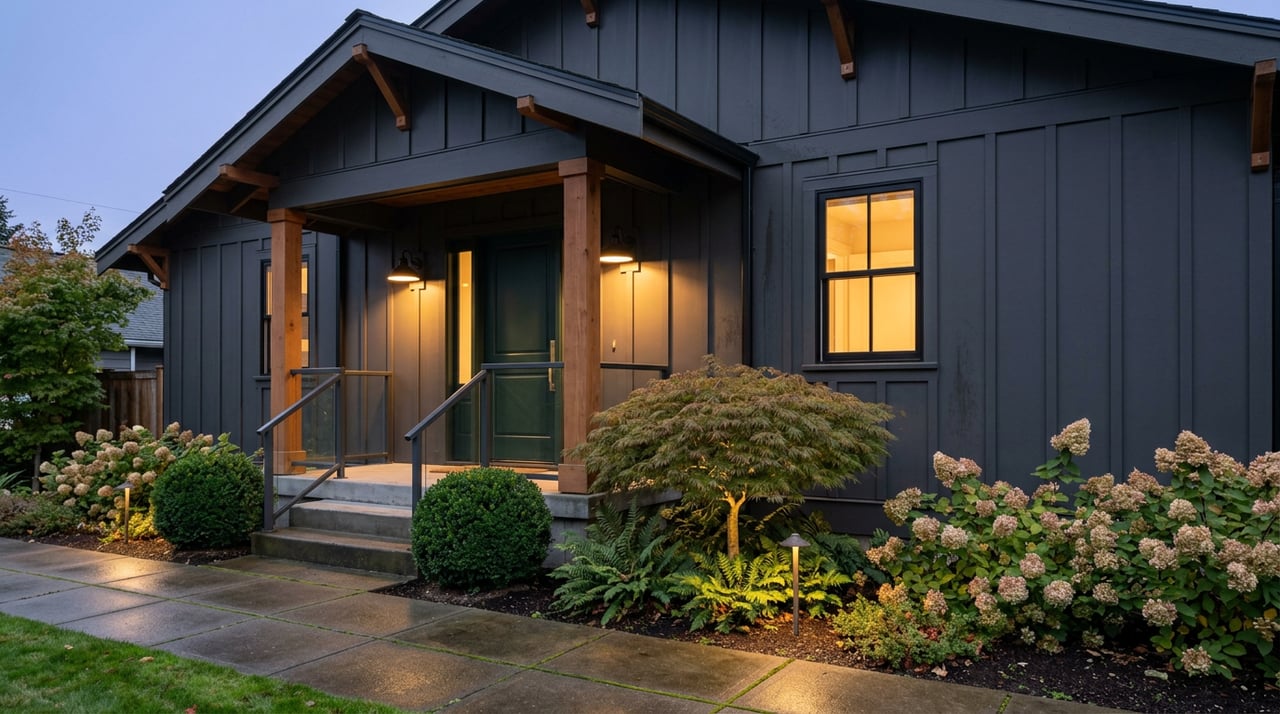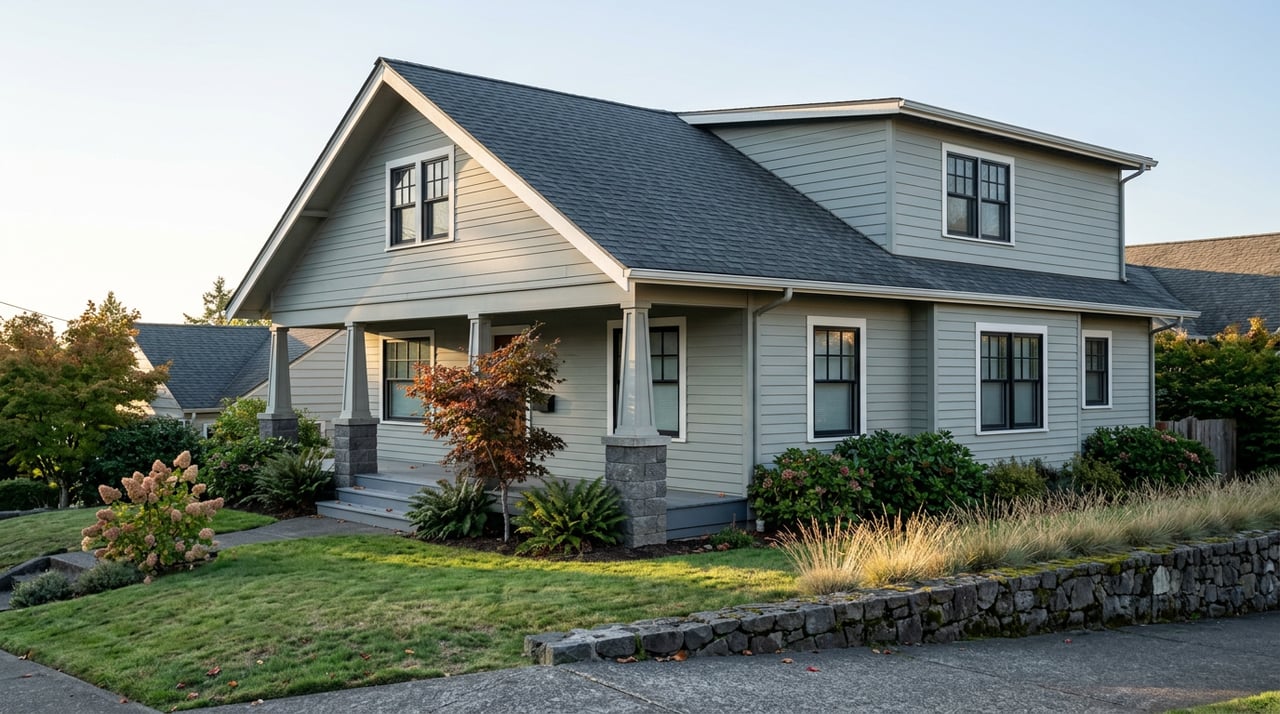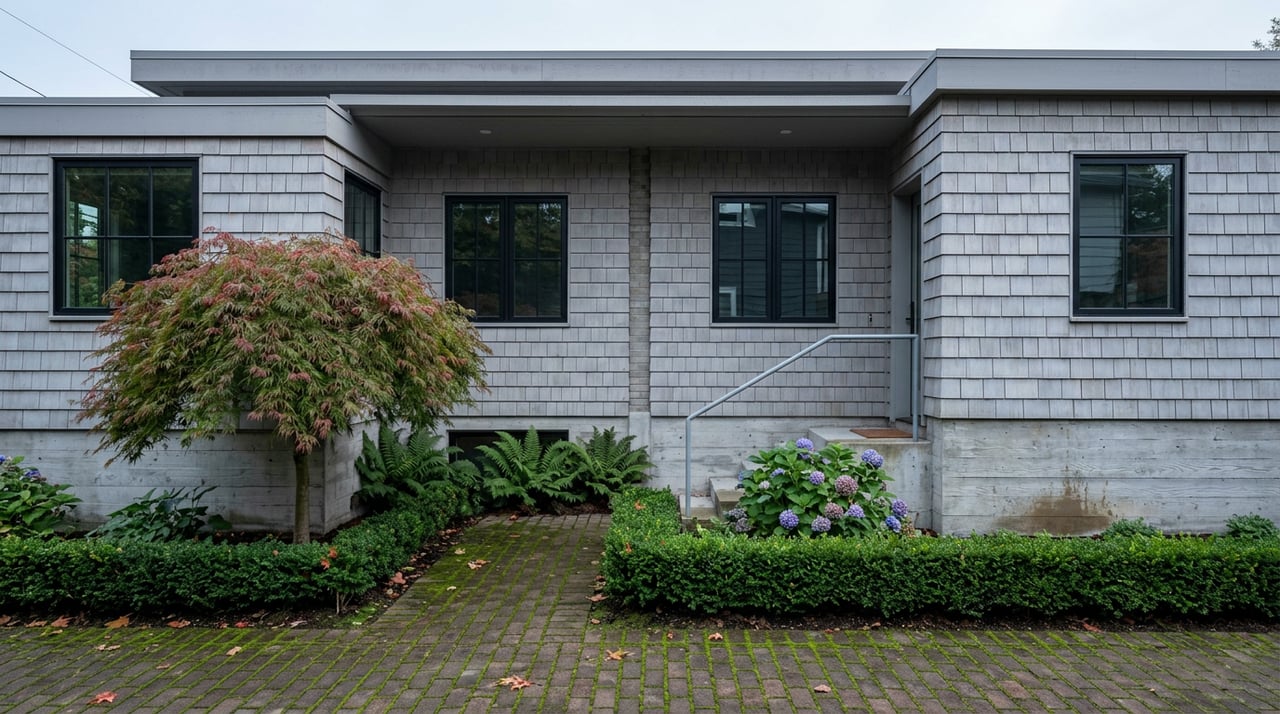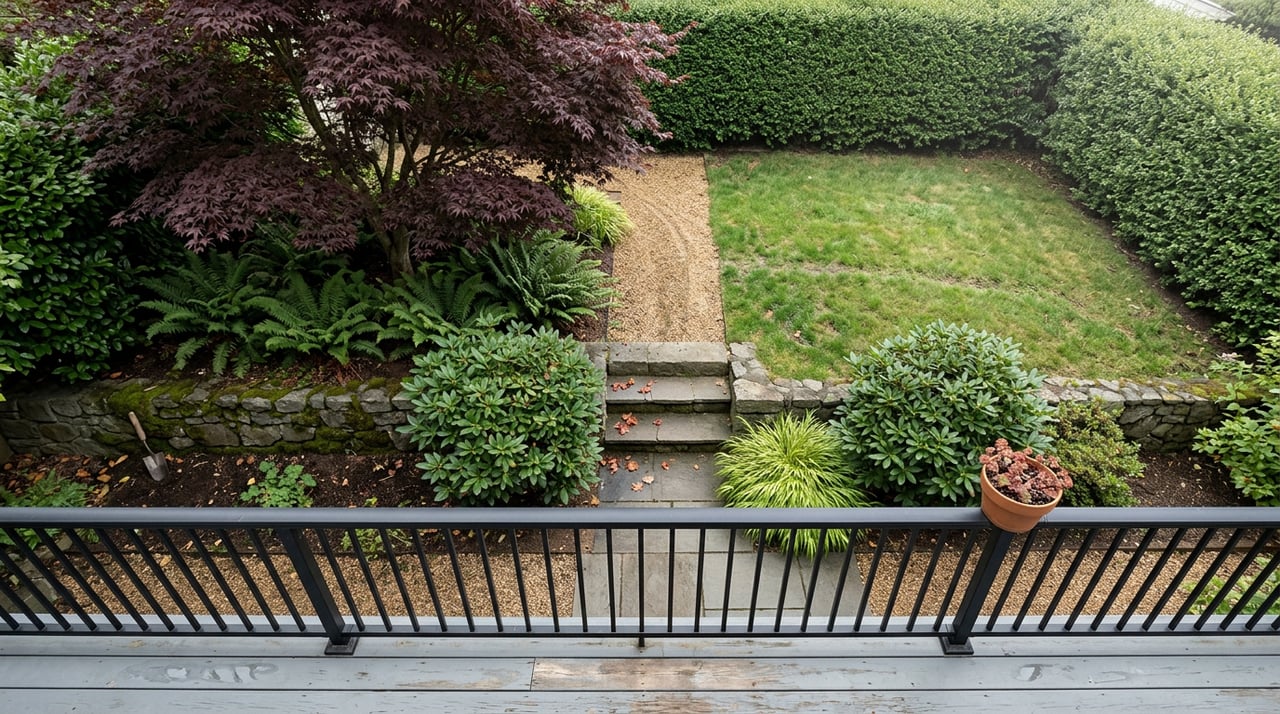
Wet needles on the roof, slick garden steps, and a lawn that never quite dries out. If that sounds familiar, you are living the Lake Forest Park microclimate. Homes tucked under tall evergreens and near Lake Washington face longer damp periods that invite moss, mildew, and drainage issues. In this guide, you will learn what makes Lake Forest Park unique and how to maintain your home so it stays safe, efficient, and market ready year round. Let’s dive in.
Why Lake Forest Park feels different
Lake Forest Park sits on the west shore of Lake Washington and is blanketed by mature tree canopy. The lake moderates temperature swings and can add humidity and morning fog in low spots. Under the trees, surfaces stay damp longer, which speeds moss, algae, and mildew growth.
Regionally, most rain falls from October through April, with summers that are relatively dry but can still bring a quick downpour. That long wet season keeps roofs, siding, and paths wet for months at a time. For broader climate context, see NOAA climate normals.
Sloped lots are common. Without careful grading and gutter management, runoff can concentrate near foundations. That leads to saturated soils, surface erosion, and slippery paths if water is not moved away from walking areas.
Roof care in damp shade
Roof surfaces in Lake Forest Park collect needles and leaves fast. In shade, moisture lingers and moss grows, which can lift shingles and create leak risks.
- Inspect frequency: schedule a professional roof inspection every 1 to 2 years, and do quick visual checks after major wind or rain.
- Remove debris: clear valleys and gutters so water sheds properly. Avoid aggressive scraping that harms shingles.
- Control moss: use low pressure or soft wash methods with approved cleaners. Avoid high pressure on asphalt shingles. Copper or zinc strips at the ridge can slow regrowth.
- Ventilate: confirm attic ventilation and insulation are adequate to reduce moisture buildup and edge icing in cold snaps.
For best practices and safety, review NRCA roof maintenance guidance. Roof work is hazardous, so hire licensed pros for cleaning and repairs.
Gutters and downspouts
Under conifers, gutters clog quickly. Overflow can soak siding, rot fascia boards, and saturate soils next to foundations.
- Clean often: plan on 3 to 4 cleanings per year in forested yards. Add extra checks after leaf drop or big storms.
- Choose guards wisely: fine mesh systems often perform better with needle debris. Confirm compatibility with your roof type.
- Move water away: add downspout extensions or splash blocks to carry water 3 to 6 feet from the foundation or into designed planting areas.
- Keep drains open: inspect area drains and culverts so driveways and paths do not pond.
Ballpark costs can help you plan. Typical services include gutter cleaning at roughly $100 to $300 per visit and gutter guards that often start near $800 depending on the system and linear footage. Prices vary by home size and access. For consumer cost context, see Angi’s cost guides.
Safer paths and steps
Damp shade breeds slippery moss and algae. Tree roots can also heave pavers or concrete and create trip hazards.
- Restore traction: pressure wash or scrub surfaces in spring and as needed. Match the washer setting to the material to avoid damage.
- Add grip: consider anti slip coatings on steps and ramps that are rated for exterior use.
- Improve drainage: regrade low spots, add gravel or a proper paver base, and use shallow swales to move water off walking areas.
- Manage roots: consult an ISA certified arborist if roots are lifting hardscape.
Warm, dry months are the best time to clean and repair paths so surfaces cure properly.
Siding, trim, and paint
Shady, damp exposures can shorten paint life and stain siding.
- Wash annually: soft wash or use a gentle detergent and brush each spring. Treat mildew with appropriate cleaners.
- Recaulk and seal: renew failed caulking at joints and flashings to block water intrusion.
- Choose materials wisely: fiber cement and engineered siding perform well in wet shade. Wood can look great but needs more frequent maintenance.
- Watch splashback: adjust soil and downspout discharge so water does not spray the lower courses of siding.
Landscaping and drainage
Healthy drainage protects foundations and makes outdoor areas safer.
- Regrade if needed: aim for about a 5 percent slope away from the foundation for the first 10 feet where feasible. Maintain downspout extensions.
- Use rain gardens: direct roof runoff to planted bioretention areas that slow and soak water. See King County stormwater guidance and Washington Dept. of Ecology rain garden guidance for homeowner friendly resources.
- Choose resilient plants: favor native and adapted species that tolerate winter wet and summer dry periods. Start with WSU Extension resources and Washington Native Plant Society recommendations.
- Check pumps and drains: test sump pumps and inspect French drains yearly and after big storms.
If you see persistent dampness in a crawlspace, new cracks, or white mineral deposits on basement walls, consider a waterproofing consult.
Seasonal maintenance checklist
Staying ahead of the seasons saves money and reduces surprises during a sale or inspection.
Spring
- Clean gutters and downspouts. Check for winter blockages.
- Inspect the roof for missing shingles and moss. Schedule professional treatment if heavy.
- Soft wash siding and touch up caulking.
- Confirm grading and test the sump pump.
- Clean and de slip walkways and decks. Inspect for root heave.
- Prune dead or risky branches. Check local tree rules first.
Summer
- Pressure wash decks and paths. Reseal or stain wood as needed.
- Check attic ventilation and clear vents of debris or nests.
- Set irrigation to avoid overwatering near the foundation.
- Trim vegetation away from siding to improve airflow and drying.
Fall
- Clean gutters heavily before and after leaf drop. Repair or add guards if needed.
- Inspect roof and flashings before winter storms. Clear roof valleys.
- Service the heating system and chimney. Check rooftop penetrations.
- Confirm downspout extensions and direct flows to rain gardens or safe discharge.
- Prepare a storm plan with pro contacts for roof, tree, and pump emergencies.
Winter
After big storms, look for roof debris, bent gutters, and fallen branches.
Do only safe, ground level gutter clearing. Hire pros for high work.
Monitor for ponding and basement dampness after extended rain. Test the sump pump.
Keep emergency service contacts handy.
Hiring pros and permits
Quality work matters in a wet climate. Vet contractors carefully.
- Verify registration and insurance using the WA Labor & Industries contractor lookup.
- Ask for proof of general liability insurance, recent local references, and manufacturer approved methods for roof cleaning and repairs.
- Get 2 to 3 written bids with a clear scope, materials, and cleanup.
- For tree work, ask for an ISA certified arborist and check city rules before major pruning or removals.
Lake Forest Park has tree protection, grading, and building permit requirements. Review the City of Lake Forest Park planning and public works pages before removing significant trees, changing drainage, or replacing structures.
Smart product choices
Pick materials and systems that fit Lake Forest Park’s shade and moisture.
- Gutters: fine mesh guards can help with conifer needles. Combine with scheduled cleanings.
- Roofing: use soft wash methods and consider copper or zinc strips to slow moss. Keep attic ventilation clear.
- Siding and trim: fiber cement or engineered products handle wet exposures well. Use high quality sealants and flashings.
- Walkways and stairs: choose anti slip coatings rated for exterior use and maintain drainage to keep surfaces dry.
Buying or selling in LFP
If you plan to sell, take care of moisture red flags before listing. Clean the roof, service gutters, refresh caulking and paint on shady elevations, and confirm drainage away from the foundation. This reduces inspection issues and builds buyer confidence.
If you are buying, look closely at roof condition in shaded areas, gutter maintenance history, and any signs of foundation dampness. Ask about drainage improvements, rain gardens, and attic ventilation. A home that is tuned to the microclimate is more comfortable and typically lower risk.
Ready for a plan tailored to your home or your next move in Lake Forest Park? Reach out to the Milaina West Group for local vendor introductions, pre listing prep, and smart buyer guidance.
FAQs
How often should Lake Forest Park gutters be cleaned?
- In forested areas plan on 3 to 4 cleanings per year, with extra checks after leaf drop or major storms.
Is roof moss a serious issue in this microclimate?
- Yes. Moss holds moisture and can lift shingle edges, which shortens roof life and can cause leaks. Remove heavy moss and use preventative measures.
Do I need a permit to remove or prune large trees?
- Possibly. Lake Forest Park has tree protection rules. Check the city’s planning pages and confirm before significant pruning or removals.
What plants handle wet shade in Lake Forest Park?
- Choose shade tolerant native or adapted species that handle winter wet and summer dry. Start with WSU Extension and Washington Native Plant Society lists.
How far should downspouts discharge from the foundation?
- Aim to move water 3 to 6 feet away using extensions or splash blocks, or direct flows to a properly designed rain garden.