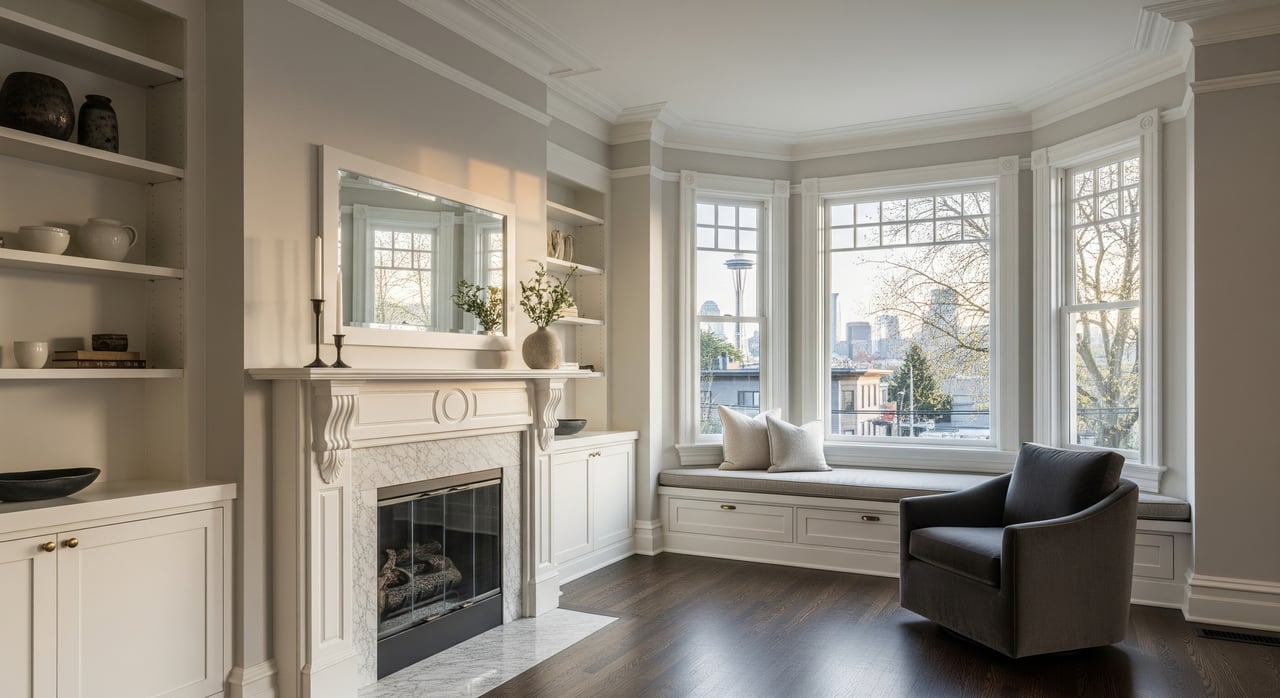
Thinking about listing your Queen Anne home this spring but not sure which updates will actually pay off? You are not alone. Many homes here have beautiful character and older finishes, so it is easy to overinvest or choose projects that will not move the needle. In this guide, you will learn which small, high‑impact updates tend to help most in Queen Anne, what they cost locally, how to avoid permit delays, and how to pull it off in about 30 days. Let’s dive in.
Why Queen Anne ROI is unique
Queen Anne homes often date to the late 19th and early 20th centuries, with original millwork, hardwoods, and cozy floor plans. Buyers pay premiums for walkability, views of downtown or Elliott Bay, character features, updated kitchens and baths, and move‑in readiness. That means light cosmetic work that highlights character while removing “project” concerns usually delivers the best return.
Timing matters too. Spring, especially late March through May, is typically the busiest listing window in the Seattle area. If you want to debut then, start prep 4 to 8 weeks ahead to allow for contractor work, staging, and photography. Expect King County labor and materials to run above national averages and to come with longer lead times than smaller markets, so plan your schedule and orders early.
High‑ROI updates to prioritize
Focus on low‑cost, high‑impact projects that improve first impressions and signal good maintenance. The ranges below reflect typical Seattle area pricing.
Paint
Fresh paint is one of the highest‑leverage updates. Stick to light, neutral palettes that make rooms feel larger and cohesive.
- Interior full‑home repaint: typically $2,000 to $8,000
- Single room refresh: typically $300 to $1,200
- Exterior paint for older multi‑story homes: often $6,000 to $20,000
Refresh entries, staircases, trim, and ceilings. For historic exteriors, confirm whether any reviews are required before repainting.
Declutter, deep clean, and staging
A streamlined, clean home photographs better and helps buyers picture daily life. Staging often reduces days on market and can improve perceived value.
- DIY declutter and cleaning: $0 to $500
- Staging consult: $200 to $600
- Partial staging: $500 to $3,000
- Full staging for larger homes: $3,000 to $8,000+ per month
Choose a stager who understands Seattle buyer preferences and view‑oriented layouts.
Kitchen refresh
Mini‑renovations in the kitchen usually outperform full remodels before a sale. Keep the layout and focus on the finishes buyers notice first.
- Repaint, refinish, or reface cabinets: $1,500 to $8,000
- New hardware, lighting, fixtures, backsplash, paint: $500 to $4,000
- Select countertop replacement: $1,500 to $6,000
In older homes, consider period‑appropriate details that complement original character.
Bathroom refresh
Clean, bright baths calm inspection nerves and show well in photos.
- Minor refresh with vanity, fixtures, regrout, lighting: $1,500 to $8,000
Fix leaks, recaulk, replace aging mirrors and lights, and ensure good ventilation.
Flooring and refinishing
Original hardwoods are a Queen Anne highlight. Refinish rather than replace when possible.
- Hardwood refinishing: $2,000 to $7,000
- Small area replacement or installing engineered hardwood or luxury vinyl plank: $1,500 to $6,000
Repair obvious damage and create a consistent look between rooms.
Lighting and electrical updates
Good lighting makes spaces feel bigger and boosts photo quality.
- New fixtures: $100 to $1,000 each
- Recessed lighting installed: typically $200 to $500+ per fixture
Use a licensed electrician for any new circuits or code‑triggering work. Update switch plates and outlets for a clean finish.
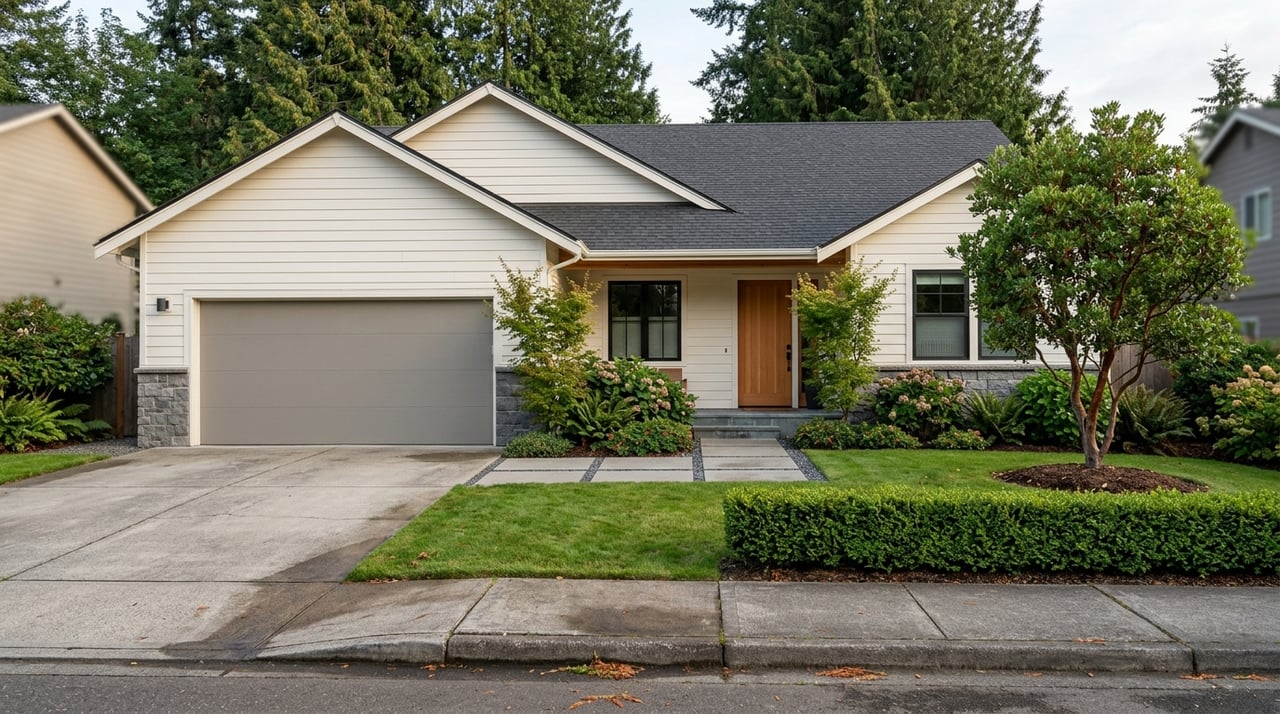
Curb appeal and landscaping
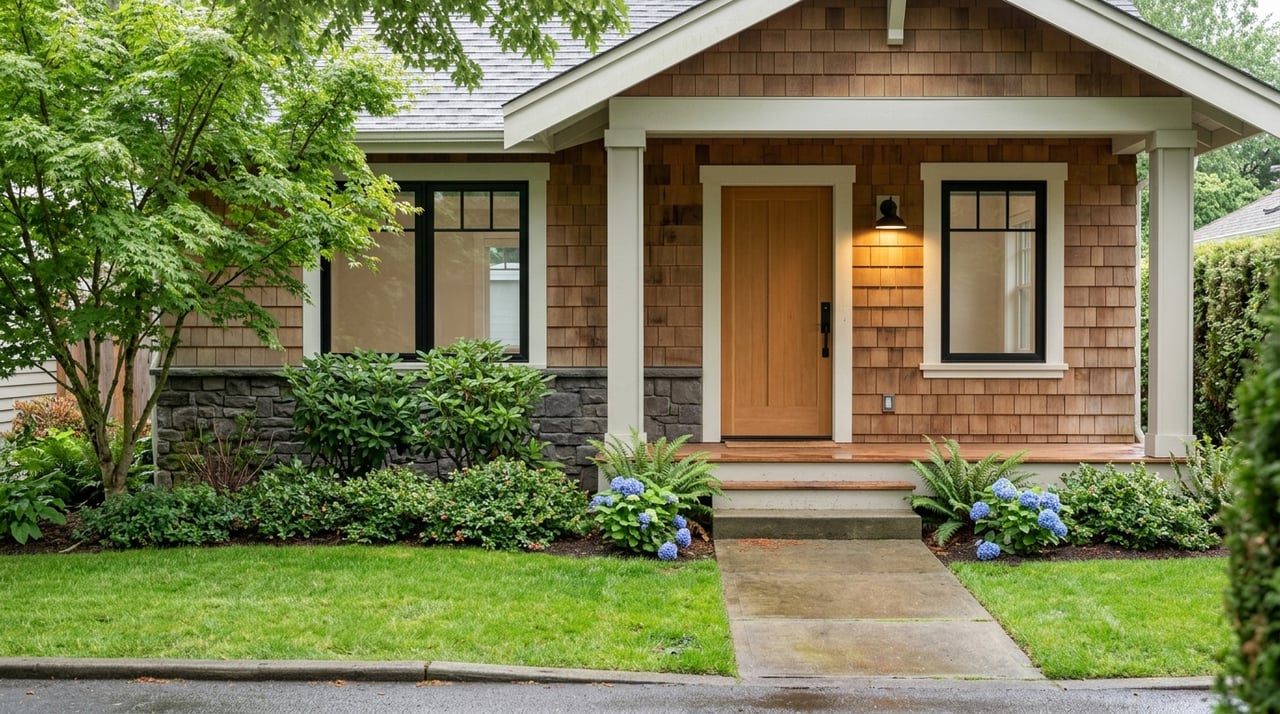
Buyers form opinions at the sidewalk. Make your entry memorable.
- Basic tidy, mulch, and plantings: $300 to $1,500
- Professional landscaping refresh: $1,500 to $7,000
Power wash, paint the front door, repair rails and steps, and add planters to frame the porch.
Small systems fixes and inspections
Handle obvious maintenance issues up front to avoid surprises later.
- Minor repairs: $200 to $2,000
- Water heater or HVAC replacement can run $2,500 to $8,000+
Address visible water stains, gutters, and filters. Be transparent about known issues in your disclosures as required in Washington.
Smart and energy updates
Simple, buyer‑friendly upgrades can be the tie‑breaker.
- Smart thermostat: $150 to $400 installed
- LED bulbs and simple fixture swaps: minimal cost
Keep efficiency upgrades modest and avoid large retrofits solely for resale.
What to avoid before listing
Skip full kitchen or bathroom remodels and major structural work unless you plan to live in the home long enough to benefit. These projects are costly, slow, and risky on a pre‑list timeline. Avoid over‑personalized finishes that could narrow your buyer pool.
Permits and historic checks
Most cosmetic work like painting, refinishing floors, and swapping fixtures does not require a City of Seattle building permit. Structural changes, window replacements, and major electrical, plumbing, or mechanical work typically do require permits through the Seattle Department of Construction and Inspections or the appropriate King County authority. Non‑complex permits may be issued in days or weeks, while more involved permits take longer, so factor in at least 2 to 4 weeks if your scope triggers review.
Parts of Queen Anne fall within historic districts or include landmarked properties. Exterior work on those homes may require review and can affect paint colors and windows. Always check with the City’s historic preservation office and SDCI before starting exterior projects on older homes. Use licensed trades for electrical and plumbing, and verify contractor registration and insurance.
30‑day pre‑list launch plan
This plan assumes an occupied home and mostly cosmetic work. Adjust for scope and contractor availability.
Week 0: Decide and assess (Days 0 to 1)
- Walk the property with your agent and a stager to prioritize a short, high‑ROI scope.
- Set a firm list date, budget cap, and a 10 to 20 percent contingency.
Days 2 to 6: Bids and materials
- Get 2 to 3 bids per trade: painter, flooring, electrician, handyman, cleaner, stager.
- Order long‑lead items now: counters, light fixtures, appliances, or engineered flooring.
Days 7 to 18: Contractor work window
- Sequence: declutter and clean, paint, flooring refinish or replacement, kitchen and bath refreshes, lighting installs, punch list.
- Overlap trades in different rooms where safe. Keep a daily checklist and photo log.
- If permits are needed, submit early. Otherwise, confirm in writing that the scope is cosmetic.
Days 19 to 23: Staging and photos
- Stage key rooms and refine furniture placement.
- Deep clean, wash windows, and touch up landscaping.
- Schedule a photographer for optimal light. If views are a selling point, time photos for the best visibility.
Days 24 to 30: Listing launch
- Final walkthrough with your agent and stager to confirm readiness.
- Complete disclosures and gather contractor receipts or warranties.
- Finalize pricing and comps, prepare the MLS listing, floor plan, and showing plan.
Budget planning and contractor tips
A typical pre‑list refresh for a modest Queen Anne single‑family home often lands between $5,000 and $30,000, depending on scope. Condos usually fall on the lower end. Build in a 10 to 20 percent contingency for surprises and reorders.
- Get written scopes with start and finish dates, a fixed price where possible, and a clear payment schedule tied to milestones.
- Verify Washington contractor registration, licensing for trades, and proof of insurance.
- Use a single point of contact for decisions and scheduling to avoid delays.
- Do mid‑project and final walkthroughs, and collect lien waivers at final payment.
Condo seller quick wins
Condo buyers in Queen Anne often focus on updated kitchens and baths and on the condition of common areas. You cannot control the building, but you can make the unit shine.
- Paint, lighting, hardware, and a clean, modern vanity often go far.
- Declutter closets and storage cages to show capacity.
- Stage the main living area and primary bedroom for scale and light.
- Confirm HOA rules for work hours and move‑in or move‑out timing before scheduling contractors and stagers.
Final thoughts
You do not need a full remodel to win in Queen Anne. Focus on paint, floors, lighting, curb appeal, and targeted kitchen and bath refreshes. Plan the work in a tight 30‑day sequence and confirm any permit or historic reviews early. If you want help prioritizing scope, coordinating bids, lining up a stager, and managing the timeline, the team at Milaina West Group offers renovation and design consultation and contractor coordination tailored to Greater Seattle.
FAQs
Which pre‑list updates add the most value in Queen Anne?
- Low‑cost, high‑impact cosmetic updates like paint, decluttering and staging, curb appeal, minor kitchen and bath refreshes, and hardwood refinishing usually provide the strongest near‑term return.
How much should I budget for a pre‑list refresh?
- Many modest single‑family homes land between $5,000 and $30,000 depending on scope, with condos on the lower end. Include a 10 to 20 percent contingency for surprises.
Should I do a full kitchen or bath remodel before selling?
- Usually not for a near‑term sale. Targeted refreshes tend to be faster, less risky, and deliver a more reliable return within a spring listing timeline.
Do I need permits for these updates in Seattle?
- Cosmetic updates typically do not need permits. Structural changes, new windows, and significant electrical, plumbing, or mechanical work usually do. Check requirements early.
How much time do staging and photos take?
- Plan 2 to 4 days for staging and 1 to 2 days for professional photography once cosmetic work is complete. Schedule view shots for the best natural light.
Are there Queen Anne‑specific risks I should consider?
- Historic district or landmark rules can affect exterior work, and older homes may have hidden issues like older wiring or plumbing. Address obvious items or disclose them proactively as required in Washington.